Skip to main content Skip to footer

Three days in Cairns is just enough time to hit the region’s three major experiences – the Great Barrier Reef, the Daintree Rainforest, and Kuranda – without feeling rushed. It’s a tight schedule, but it works if you’re deliberate about what you choose and realistic about what you can actually cover in 72 hours.
This itinerary prioritises the experiences most first-time visitors come for. If you have longer, you can add the Atherton Tablelands or an island day. If you have less time, this guide shows you where to focus your limited hours.
Before you start – planning notes
A three-day Cairns itinerary works best when you know what you’re optimising for. Here’s what this guide assumes and where you might want to adjust.
This itinerary is built around action, not rest
All three days involve early starts and full-day tours. If you’re travelling with young children, older family members, or anyone who needs a slower pace, consider dropping one activity and replacing it with a beach day or city exploration.
You’ll need to book ahead
Reef tours, Kuranda experiences, and Daintree day trips all fill quickly during peak season (June to September). Book at least two weeks ahead if you’re visiting between May and October, longer if it’s July or August.
Flexibility saves stress
Weather in Tropical North Queensland can shift tour schedules, particularly during the wet season (November to April). Build one buffer day into your overall trip if possible, or be prepared to shuffle activities if conditions change.
Arrival and departure days matter
If you’re flying in on Day 1 or out on Day 3, check your flight times. A 6 pm arrival on Day 1 rules out most activities that day. A 10 am departure on Day 3 means you’re effectively working with two full days, not three.
Day 1 – Great Barrier Reef
Your first full day in Cairns should go to the reef. It’s the reason most people come here, and it deserves a full day rather than a rushed half-day squeeze.
Morning – reef departure
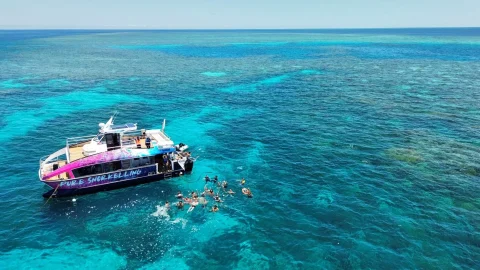
Most outer reef tours depart between 8 am and 10:30 am from the Reef Fleet Terminal at Cairns Marina. Get there 30 minutes before departure for check-in. The journey to the outer reef takes around 90 minutes by fast catamaran – longer on sailing vessels.
If you’re prone to seasickness, take medication 30 minutes before boarding. The outer reef crossing can be choppy, particularly in the afternoon. Morning departures generally experience calmer seas.
Tour recommendation: Full-day outer reef tours give you 3-4 hours at the reef, which is enough time to snorkel multiple sites, try an intro dive if you want, and explore the underwater observatory or semi-submersible if your pontoon has one.
Browse Great Barrier Reef tours from Cairns to compare operators and departure times.
Midday – reef time
Once you’re at the reef, pace yourself. First-time snorkellers often rush to the first site, get tired, and miss the best spots later. Start with a guided snorkel tour if your operator offers one – the guides know where the marine life congregates and can point out things you’d otherwise swim straight past.
Most reef pontoons and vessels offer multiple snorkel sites. After the first guided tour, explore on your own. The coral formations are different at each site, and you’ll see different fish species depending on depth and current.
If you’ve never dived and want to try, intro dives are available on most full-day tours. No certification required – just reasonable fitness and comfort in water. The intro dive takes around 30-40 minutes and gets you to depths you can’t reach by snorkelling.
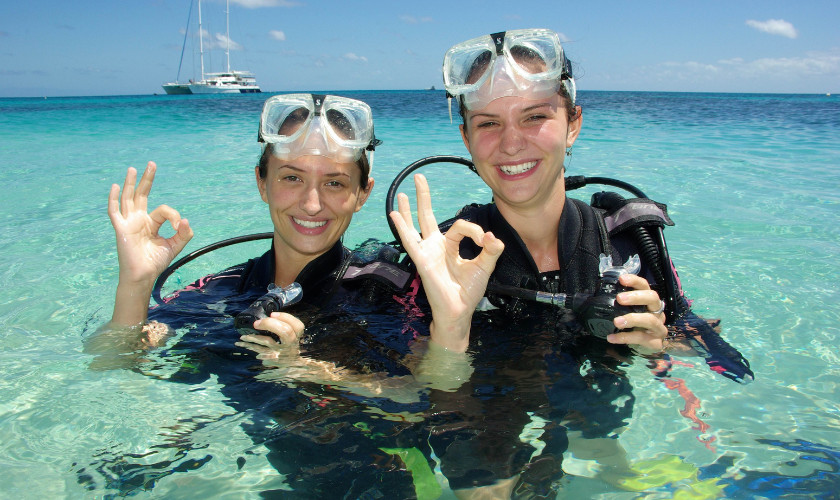
Afternoon – return and evening in Cairns
Most reef tours return to Cairns between 4:30 pm and 5:30 pm. You’ll be tired, sunburned despite the sunscreen, and possibly a bit seasick from the return crossing. Don’t plan anything ambitious for the evening.
Dinner options in central Cairns range from casual waterfront spots along the Esplanade to higher-end restaurants in the city centre. The Night Markets on the Esplanade run every evening and offer cheap food stalls if you want something quick.
You may also like: 5 reasons to visit the Great Barrier Reef
Day 2 – Daintree Rainforest and Cape Tribulation
Day two takes you north to the Daintree – the world’s oldest continually surviving tropical rainforest. It’s a full day, typically 7-8 hours door to door, covering around 140km each way from Cairns.
Morning – Daintree departure and Mossman Gorge
Most Daintree day tours depart between 7 am and 8 am. The drive north along the coast is scenic – you’ll pass Port Douglas, Mossman, and eventually cross the Daintree River by cable ferry.
The first major stop is usually Mossman Gorge. This is where the Mossman River cuts through ancient rainforest, creating swimming holes and walking tracks through the forest. The main boardwalk loop takes about 30 minutes and is suitable for most fitness levels.
If you’re visiting during the wet season (November to April), the river runs fast and swimming isn’t always safe. The dry season (May to October) offers calmer water and more reliable swimming conditions.
Midday – Daintree River cruise and Cape Tribulation
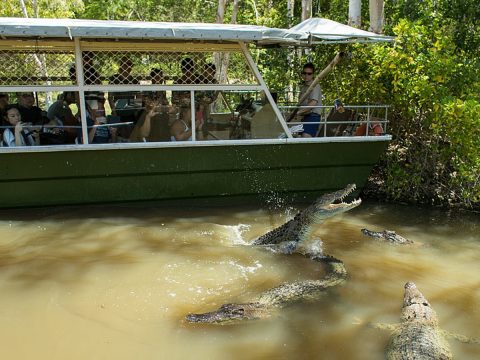
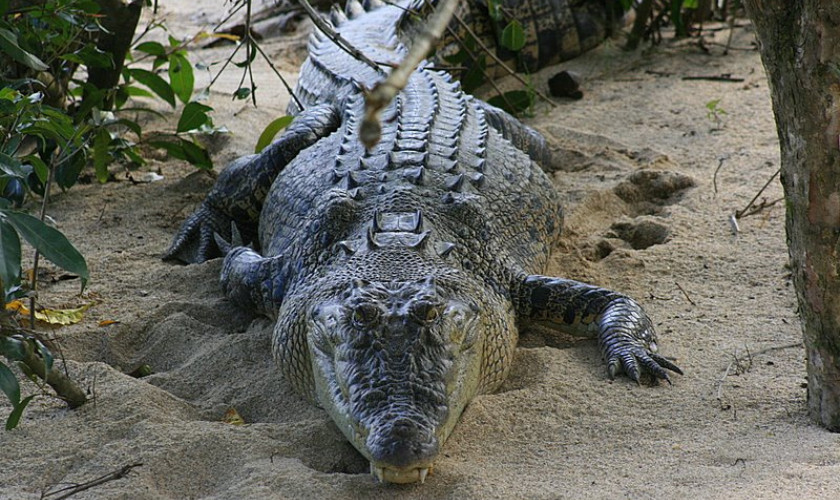
After Mossman Gorge, most tours include a Daintree River wildlife cruise. This is your best chance to see estuarine crocodiles in their natural habitat. The cruises run for about an hour and cover the tidal sections of the river where crocodiles hunt.
The cruise guides know the river well and can usually find crocodiles basking on the banks or lurking in the shallows. You’ll also see a lot of birdlife – kingfishers, herons, and occasionally sea eagles.
Lunch is typically included on full-day Daintree tours and served either at a rainforest cafe or as a packed lunch at Cape Tribulation Beach. Cape Tribulation is the only place in the world where two World Heritage sites meet – the Daintree Rainforest and the Great Barrier Reef come together at the coastline here.
Afternoon – rainforest walks and return
The afternoon usually includes guided rainforest walks on elevated boardwalks. Your guide will point out ancient plants, explain the forest’s ecosystem, and hopefully spot some wildlife – cassowaries are rare but occasionally seen, and tree kangaroos live in the canopy though they’re hard to spot.
Most tours stop at the Daintree Ice Cream Company on the way back for tropical fruit ice cream made on-site. It’s become a bit of a tourist ritual, but the ice cream is genuinely good.
You’ll be back in Cairns between 5 pm and 6 pm. Like the reef day, you’ll be tired – Daintree tours involve a lot of walking, and humidity can be draining.
Related reading: 5 best Daintree Rainforest walks
Day 3 – Kuranda
Your third day goes to Kuranda – a rainforest village in the ranges behind Cairns. The journey is as much the experience as the destination itself.
Morning – Skyrail Rainforest Cableway
The classic Kuranda experience starts with the Skyrail Rainforest Cableway departing around 9 am or 10 am, depending on your tour. The cableway glides 7.5km through the rainforest canopy from Smithfield (northern Cairns) to Kuranda, taking about 90 minutes with two stops along the way.
The first stop is Red Peak Station, where you can walk a short boardwalk through the forest and learn about the rainforest ecosystem from the ranger station. The second stop is Barron Falls Station, where viewing platforms overlook Barron Gorge and the falls.
During the wet season (November to April), the falls run at full force. During the dry season (May to October), they’re less dramatic, but the views across the gorge are still impressive.
Skyrail note: The Skyrail is undergoing major upgrades during 2026 and will be closed on certain dates. Check the Kuranda day tours page for current closure dates and alternative options.
Midday – Kuranda Village
You’ll arrive in Kuranda Village around midday with typically 1.5 to 3 hours of free time depending on your tour. Kuranda is small – you can walk the main street in 10 minutes – but there’s enough to fill a couple of hours.
The Heritage Markets run from Wednesday to Sunday and sell local crafts, jewellery, and souvenirs. The Original Rainforest Markets are open daily and are worth a quick walk through.

Kuranda has three main wildlife attractions: Birdworld, the Australian Butterfly Sanctuary, and the Koala Gardens. If you’re only doing one, the Butterfly Sanctuary is the standout – thousands of tropical butterflies in a free-flight aviary.
Lunch options in Kuranda range from cafes and bakeries to pub meals. Most Kuranda day tours don’t include lunch, so budget accordingly.
Afternoon – Kuranda Scenic Railway
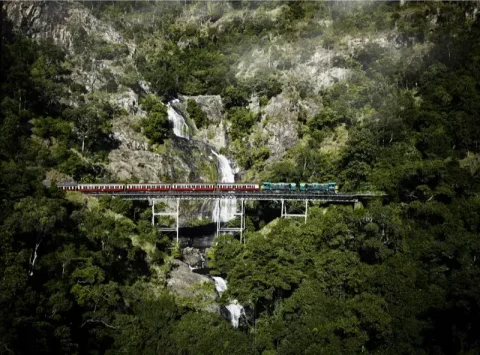
Board the Kuranda Scenic Railway for the return journey to Cairns. The train takes around 1.5 hours to wind down the range, through 15 tunnels and across bridges and viaducts built in the 1880s.
The most impressive section is the approach to Barron Falls, where the train stops for photos. The journey ends at Cairns Central or Freshwater Station, with coach transfers back to your accommodation.
Browse Kuranda day tours to see Skyrail and train combinations, including options with Rainforestation Nature Park and Army Duck tours.
What this itinerary leaves out
Three days force hard choices. Here’s what didn’t make the cut and why you might want to swap something in if these appeal more than the main three.
Fitzroy or Green Island
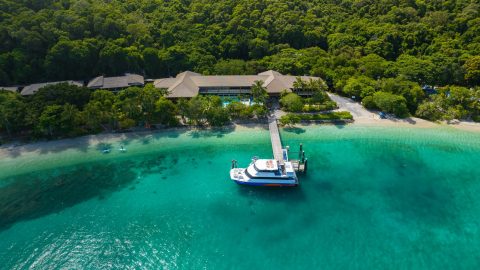
Both islands are accessible as half-day or full-day trips and offer beach time, snorkelling, and a more relaxed pace than an outer reef tour. If you’d rather have an island day than Kuranda, that’s a reasonable trade – particularly if you’re travelling with young children who might find a beach more engaging than a rainforest village.
Green Island tours and Fitzroy Island tours both work as Day 1 alternatives if you want something gentler than the outer reef.
Atherton Tablelands
The Atherton Tablelands – with waterfalls, crater lakes, and wildlife – is one of the best day trips from Cairns. If you’re returning to Cairns or have been to the reef before, swap Kuranda for an Atherton Tablelands tour. The tablelands are particularly impressive during the wet season when waterfalls run at full force.
Related reading: 4 must-see waterfalls on the Atherton Tablelands
Cairns city and beaches
This itinerary doesn’t allocate time for the Esplanade Lagoon, Cairns Botanic Gardens, or the Northern Beaches. If you want a slower pace or need beach time, drop one of the full-day tours and replace it with a morning at the lagoon and an afternoon exploring the city or driving to Palm Cove.
Practical tips for your 3 days
A few logistical notes that make the itinerary run smoother:
Accommodation location matters
Staying in central Cairns makes tour pickups easier – most tours collect from the city centre and northern beaches. Staying out at Palm Cove or the beaches adds 20-30 minutes to your morning pickup time.
Pack for all three days the night before
Each day needs a different gear. Reef day: swimsuit, towel, sunscreen, underwater camera. Daintree day: closed shoes, insect repellent, rain jacket if it’s the wet season. Kuranda day: comfortable walking shoes, light layers.
Eat breakfast before tours, not during
Most full-day tours depart early, and pickups start from 6:30 am onwards. Hotel breakfasts often don’t open early enough. Grab something the night before or find a 24-hour bakery.
Book everything together when possible
There are multi-day packages that bundle the reef, rainforest, and Kuranda at a discount. Even if you’re booking separately, doing it all at once removes the mental load of managing three separate confirmations.
Keep one day flexible if you can
If your overall trip is four or five days, build a buffer. Weather delays happen, tours occasionally get rescheduled, and sometimes you just need a day to recover from three consecutive early starts.
Alternative 3-day itineraries
This itinerary assumes you’re a first-time visitor prioritising the big three experiences. If that doesn’t fit, here are a few alternative structures that work for different travel styles and seasons.
Wet season alternative (November to April)
During the wet season, afternoon storms are common. Adjust your itinerary to frontload morning activities:
- Day 1: Great Barrier Reef (morning departure, back by 4pm)
- Day 2: Atherton Tablelands waterfalls (best during wet season, morning departure)
- Day 3: Kuranda (morning Skyrail, afternoon train avoids storm window)
The Daintree is excellent during the wet season, but if storms are forecast, the Atherton Tablelands is a more reliable alternative.
Relaxed family itinerary
For families with young children or travellers who want a slower pace:
- Day 1: Green Island or Fitzroy Island (half day, back by 1pm) + Esplanade Lagoon afternoon
- Day 2: Kuranda (shorter, less physically demanding than Daintree)
- Day 3: Cairns Botanic Gardens morning + Palm Cove beach afternoon
This version prioritises manageable activities over full-day intensity and includes more flexibility for rest and spontaneous decisions.
Active adventure itinerary
For travellers prioritising action over sightseeing:
- Day 1: Great Barrier Reef with intro dive
- Day 2: White water rafting (Tully River or Barron River) + Atherton Tablelands waterfalls
- Day 3: Daintree Rainforest with Cape Tribulation beach walk and river cruise
This version drops Kuranda (more scenic than active) and adds rafting and more hiking.
You may also like: The best day trips from Cairns – a guide for first timers
Frequently asked questions
Is 3 days enough for Cairns?
Yes. Three days is enough to experience the Great Barrier Reef, Daintree Rainforest, and Kuranda – the three priority experiences for most first-time visitors. It doesn’t leave time for the Atherton Tablelands, island days, or beach relaxation, but it covers the core attractions well.
What’s the best order for a 3-day Cairns itinerary?
Reef first (Day 1) ensures you get the highest-priority experience done early in case weather affects later days. Daintree second (Day 2) is physically easier after a reef day than back-to-back water activities. Kuranda third (Day 3) is the least weather-dependent and easiest to reschedule if needed.
Can I do the Great Barrier Reef and Kuranda in one day?
Not comfortably. A full-day reef tour runs from 8 am to 5 pm. Kuranda day tours run from 9 am to 5 pm. The only way to combine them is a half-day reef tour (noon to 5 pm) with a morning Kuranda experience (8 am to noon), but that’s rushed and leaves you with minimal time at both. Better to dedicate a full day to each.
Should I book tours before arriving in Cairns?
Yes, particularly during peak season (June to September). Popular reef tours and Kuranda experiences fill the weeks ahead during this period. Booking in advance locks in your preferred dates and removes the stress of last-minute availability.
What if it rains during my 3 days in Cairns?
Cairns tours run in most weather conditions. Reef trips operate in rain – visibility underwater is often unaffected. Kuranda’s Skyrail and Scenic Railway run in rain, though views are reduced. Daintree tours run unless roads are unsafe. Only extended heavy rain or cyclones cause cancellations.
Make the most of your 3 days
Three days in Cairns works when you’re clear on priorities and realistic about what fits. The reef, the rainforest, and Kuranda – that’s the classic trio, and it’s classic for good reason. If you’ve got longer, add the Atherton Tablelands or an island day. If you’ve got less, this guide shows you where to focus.
The team at Cairns Discovery Tours knows Tropical North Queensland inside out, and has spent decades matching visitors with tours that actually fit their schedule. Whether you’re working with three days or ten, they know which experiences pair well, which operators deliver, and how to make the most of your time here.
Browse Great Barrier Reef tours, Daintree Rainforest tours, and Kuranda day tours to see what’s available – or call us on (07) 4028 3567 or send us an email and we’ll help you build an itinerary that works.