Skip to main content Skip to footer
The Atherton Tablelands are known for waterfalls and food trails – but this highland plateau behind Cairns quietly holds one of the most remarkable concentrations of wildlife in the country. Animals that exist nowhere else live in a rainforest that’s been standing for millions of years, and many of them are surprisingly accessible if you know where and when to look.
Platypus surfacing in a quiet creek at dawn. A Lumholtz’s tree kangaroo dozing on a branch 10 metres above the forest floor. The world’s smallest kangaroo shuffling through leaf litter at your feet. These aren’t once-in-a-lifetime sightings reserved for documentary crews – they’re experiences that visitors have on the Tablelands every week.
Why the Tablelands are so rich in wildlife
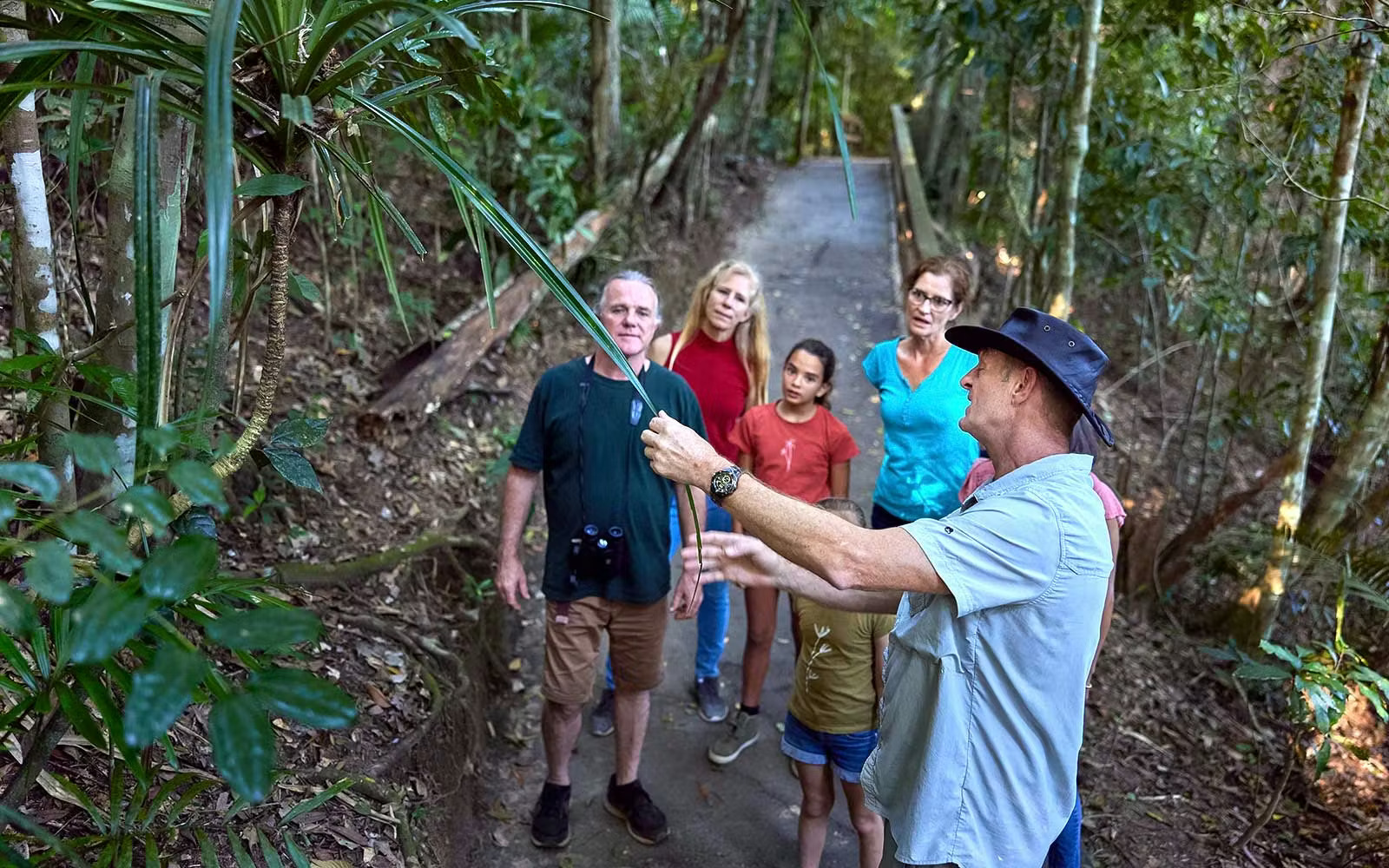
The Atherton Tablelands sit within the Wet Tropics World Heritage Area, where upland rainforest, open woodland, volcanic crater lakes, and freshwater creeks create a patchwork of habitats packed into a relatively small area. This diversity of environments supports an extraordinary density of species that few other Australian regions can match.
The Tablelands hold some of the country’s highest concentrations of possums and gliders. Several iconic animals – the Lumholtz’s tree kangaroo, the musky rat-kangaroo, and the Herbert River ringtail possum – are restricted entirely to this corner of Far North Queensland. And the birding is world-class, with a dozen species endemic to the region and surrounding ranges.
The cooler highland climate plays a role too. Animals that can’t tolerate the coastal heat thrive at altitude, and the rainforest here has remained largely intact while lower-elevation forests have been cleared.
Where to spot the key species
The best wildlife encounters on the Tablelands come down to being in the right place at the right time. Here’s a species-by-species guide to the animals most visitors want to see and where your chances are strongest.
Platypus
The platypus is one of only two egg-laying mammals in the world, and the Atherton Tablelands is one of the most reliable places in Australia to see one in the wild. They’re shy and fast, but with patience and good timing, sightings are very achievable.
Best spot: Peterson Creek in Yungaburra has a purpose-built viewing platform right on the water. It’s the Tablelands’ best-known platypus-watching location and one of the top spots in the country.
When to go: Dawn and dusk are when platypus are most active. Arrive quietly, keep still, and watch for the telltale ripples or a small dark snout breaking the surface.
What to know: Platypus dive frequently and only surface for a few seconds at a time. Binoculars help enormously. Keep noise low and stay behind the viewing platform railing – they spook easily.
Lumholtz’s tree kangaroo
The Lumholtz’s tree kangaroo is one of the Tablelands’ most treasured residents and one of only two tree kangaroo species found in Australia. They live high in the rainforest canopy, gripping branches with strong forearms and sharp claws, and they’re so well camouflaged that even locals can walk right past one without noticing.
The trick is to scan mid-canopy branches and vines for a hanging tail or a hunched shape. They tend to sit still for long periods, which makes them hard to spot but easy to watch once you’ve found one.
Best spots: The rainforest around Malanda and Yungaburra, the Curtain Fig Tree area, and Malanda Falls Conservation Park are all known habitats. The Nerada Tea Plantation near Malanda has also had regular sightings over the years.
When to go: Early morning and late afternoon. The dry season (June to October) can make forest access easier and canopy visibility better.
Musky rat-kangaroo
At less than half a kilogram, the musky rat-kangaroo holds the title of the world’s smallest kangaroo. It’s also considered one of the most ancient members of the kangaroo family, having evolved over 20 million years ago. Unlike its larger relatives, it walks on all fours rather than hopping, and it regularly gives birth to twins.
You’ll spot them foraging through leaf litter on the forest floor, usually in the morning. They’re common around the crater lakes and the Curtain Fig Tree area, and they’re one of the easier Tablelands animals to encounter if you walk quietly and keep your eyes low.
Possums and gliders

The Atherton Tablelands supports one of the highest concentrations of possums and gliders anywhere in the world. The Herbert River ringtail possum, the green ringtail possum, the striped possum, and several species of sugar glider all call the Tablelands rainforest home.
These are nocturnal animals, so you’ll need to visit after dark or join a guided spotlighting tour to see them. Experienced guides with torches and thermal cameras know exactly which trees and tracks to check, and sightings are common on a good night.
Sugar gliders are a particular highlight. They use a thin membrane between their front and back legs to sail between trees, sometimes covering remarkable distances in a single glide. Seeing one launch from a branch in torchlight is one of those Tablelands moments that stays with you.
Best months: Year-round, though the wet season (particularly after showers) tends to bring more activity.
Birds
With over 180 species recorded in the crater lakes area alone, the Atherton Tablelands is a destination that serious birders travel internationally to visit. Endemic species include the golden bowerbird, the chowchilla, the tooth-billed bowerbird, and Victoria’s riflebird.
For waterbird watching, Hasties Swamp National Park is the standout spot. A two-storey hide overlooking seasonal wetlands delivers impressive numbers of waterbirds, particularly between April and October when the wetlands contract and birds concentrate.
Casual birdwatchers will notice plenty just by walking the Lake Eacham or Lake Barrine circuit tracks. Listen for the sharp whip-crack call of the eastern whipbird and keep an eye on tree trunks for Boyd’s forest dragons perching motionless. And watch the canopy for the electric blue flash of a Ulysses butterfly – not a bird, but just as memorable.
Southern cassowary
The southern cassowary – large, prehistoric-looking, and listed as Endangered – is found in fragments of Wet Tropics rainforest on the southern Tablelands. Sightings are not common, but they do happen, particularly on quiet forest roads and walking tracks in the Millaa Millaa and Malanda areas.
If you encounter one, keep your distance, stay calm, and never feed them. They can be territorial. Drive slowly in signed cassowary zones, especially at dawn and dusk.
Related reading: Must-see waterfalls on the Atherton Tablelands
Best months for wildlife spotting
Timing your visit around the wildlife that interests you most can make a real difference to what you see. The Tablelands support wildlife year-round, but certain species are easier to find in certain seasons. Here’s a seasonal breakdown to help you plan.
| Animal | Best Months | Notes |
| Platypus | Year-round (better in dry) | Clearer water and lower creek levels improve visibility |
| Tree kangaroos | Year-round (dry season easier) | Sparser canopy June-Oct improves sightings |
| Musky rat-kangaroo | Year-round | Active mornings around crater lakes |
| Possums and gliders | Year-round (more active in the wet season) | Spotlighting tours best after rain |
| Waterbirds | April – October | Wetlands contract, birds concentrate |
| Cassowary | Year-round | Rare; quiet roads and tracks, dawn/dusk |
| Ulysses butterfly | September – March | Warmer months, rainforest edges |
Tips for wildlife watching on the Tablelands
You don’t need specialist equipment or years of experience to see wildlife on the Tablelands – just a few practical habits that make a real difference to your chances.
- Go early or stay late. Dawn and dusk are when most animals are active. Mid-morning to mid-afternoon is the quietest window for mammals.
- Move slowly and quietly. Platypus, tree kangaroos, and cassowaries are all easily spooked. Soft footsteps and low voices go a long way.
- Bring binoculars. Essential for platypus watching and scanning the canopy for tree kangaroos. A zoom lens or phone attachment helps too.
- Wear muted colours. Bright clothing can startle animals. Greens, browns, and greys help you blend into the forest.
- Never feed wildlife. It’s prohibited in all national parks on the Tablelands and harmful to the animals.
- Insect repellent is a must. Sandflies and mosquitoes are common near water and in the rainforest, especially at dawn and dusk when you’ll be out looking for wildlife.
Why a guided tour makes all the difference
You might spot a platypus at Peterson Creek on your own if you time it right. But the Tablelands’ most memorable wildlife encounters – tree kangaroos high in the canopy, possums emerging after dark, gliders sailing between trees – are the ones that rarely happen without a guide who knows exactly where to look.
Local wildlife guides spend years building relationships with these landscapes. They know which branch a tree kangaroo has been resting on this week, which stretch of creek the platypus has been feeding in, and which trees the striped possums favour after rain. That kind of knowledge turns a hopeful walk into a reliable experience.
There’s a safety element too. The Tablelands rainforest can be disorienting, tracks can be slippery, and navigating unfamiliar rural roads isn’t for everyone. A guided tour handles the driving, the timing, and the route – so you can focus entirely on enjoying the experience.
The Atherton Tablelands Nature & Wildlife Day Tour is built around exactly this kind of encounter, pairing animal spotting with waterfalls, crater lakes, and rainforest walks in a single day. Several other Atherton Tablelands day tours available through Cairns Discovery Tours include wildlife elements too. For visitors who want to go deeper, dedicated nocturnal tours with specialist guides offer a completely different side of the Tablelands – torchlit walks through the forest, possums overhead, and the unforgettable sight of a platypus surfacing in the beam of a spotlight.
Explore Cairns
Atherton Tablelands
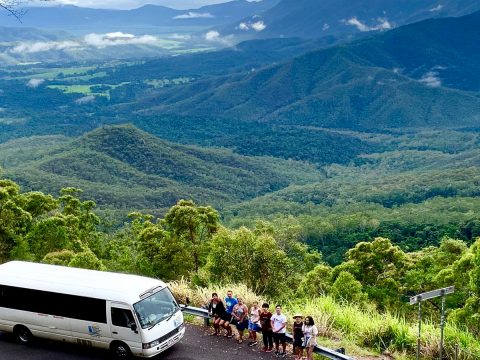
Just over an hour from Cairns, the Atherton Tablelands is a lush highland region with thundering waterfalls, crater lakes and farm-fresh food and wine.
See Tablelands toursFrequently asked questions
Where is the best place to see a platypus on the Atherton Tablelands?
Peterson Creek in Yungaburra is the most reliable spot, with a purpose-built viewing platform on the water. Dawn and dusk visits give you the best chance. Stay quiet and watch for ripples – patience pays off here more often than not.
Can you see tree kangaroos on the Atherton Tablelands?
Yes, though they take some finding. The Lumholtz’s tree kangaroo lives in the rainforest canopy around Malanda and Yungaburra. A guided tour with a specialist wildlife guide significantly improves your chances of a sighting.
Are there crocodiles on the Atherton Tablelands?
Freshwater crocodiles may be present in some waterways, but they are timid and not considered dangerous. There are no saltwater crocodiles on the Tablelands. The elevated altitude and cool freshwater environment make the region safe for swimming at designated spots.
What is the best time of year for wildlife on the Atherton Tablelands?
April to October offers the broadest window – drier conditions make forest access easier, waterbird numbers peak at wetlands, and cooler mornings are more comfortable for early starts. Platypus and tree kangaroos are present year-round, and the wet season brings its own rewards with increased nocturnal activity.
Do I need a guide to see wildlife on the Tablelands?
Not for the more accessible species like platypus at Peterson Creek or musky rat-kangaroos near the crater lakes. For tree kangaroos, possums, gliders, and nocturnal species, a specialist guide makes a real difference to both your chances and the quality of the experience.
You may also like: Best day trips from Cairns for first-timers
See the Tablelands’ wildlife for yourself
The Atherton Tablelands is one of those places where the wildlife alone makes the trip worthwhile. Platypus, tree kangaroos, ancient marsupials, endemic birds, and a rainforest full of nocturnal surprises – all within 90 minutes of Cairns. Whether you grab a pair of binoculars and head to Peterson Creek at dawn, or let a guide take you to the spots that most visitors never find, the Tablelands won’t disappoint.
Browse the Atherton Tablelands Nature & Wildlife Day Tour, or see all Atherton Tablelands tours to find a day that combines wildlife with waterfalls, crater lakes, and rainforest walks.You can also give us a call on (07) 4028 3567 or send us an email. We know the best spots at every time of year – and we love sharing them.