Skip to main content Skip to footer
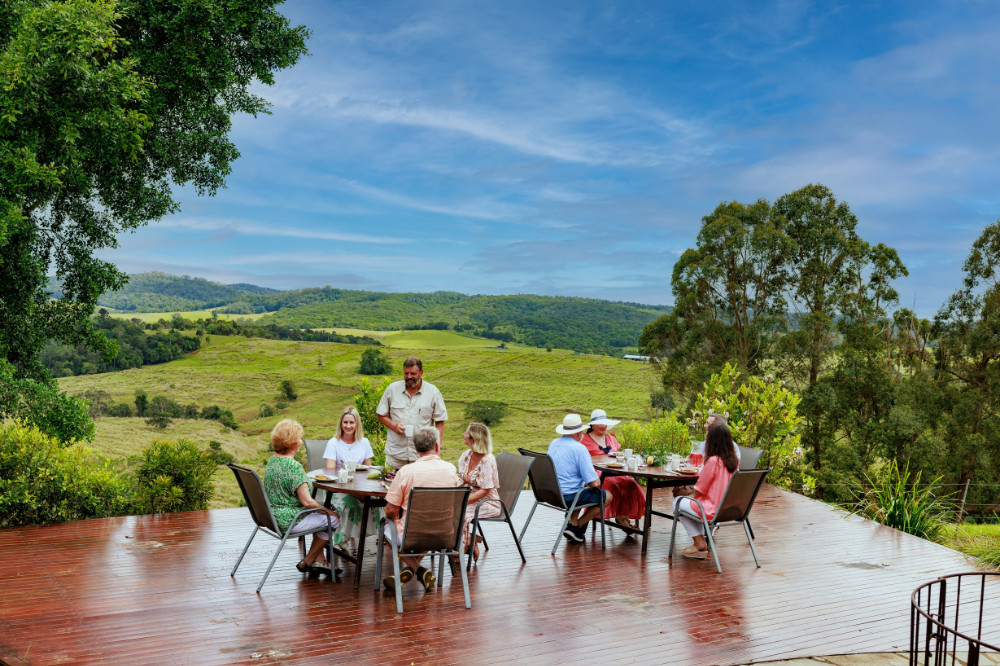
The Atherton Tablelands are famous for their waterfalls – but the food and drink scene up on the plateau might just steal the show. Picture tasting handcrafted gin on a banana plantation, sampling Swiss-style chocolates at a working dairy farm, or sipping strawberry wine while kangaroos graze in the paddock next door.
Known locally as the “Food Bowl of the North”, this volcanic plateau behind Cairns produces a range of food and drink you simply won’t find anywhere else in Australia. Rich red soil, a cooler highland climate, and reliable rainfall create ideal growing conditions for everything from coffee and tropical fruit to macadamias, avocados, and sugarcane. This guide covers what you can taste, where to find it, and how to plan a food-focused day on the Tablelands.
What makes the Tablelands a food region?
The Atherton Tablelands sit between 600 and 1,100 metres above sea level, with deep volcanic soil left behind by eruptions stretching back millions of years. That soil, combined with a cooler highland climate and higher rainfall than the coast, creates growing conditions that support an unusually diverse range of crops in a relatively compact area.
Within a single day’s drive, you can visit coffee plantations, dairy farms, tropical fruit orchards, nut growers, distilleries, and wineries. Many of these producers open their doors for tastings, guided tours, and farm-gate shopping. It’s not the Barossa or the Hunter Valley – it’s something entirely its own, built around tropical and subtropical ingredients you won’t find in southern food regions.
Coffee – the Tablelands’ signature crop
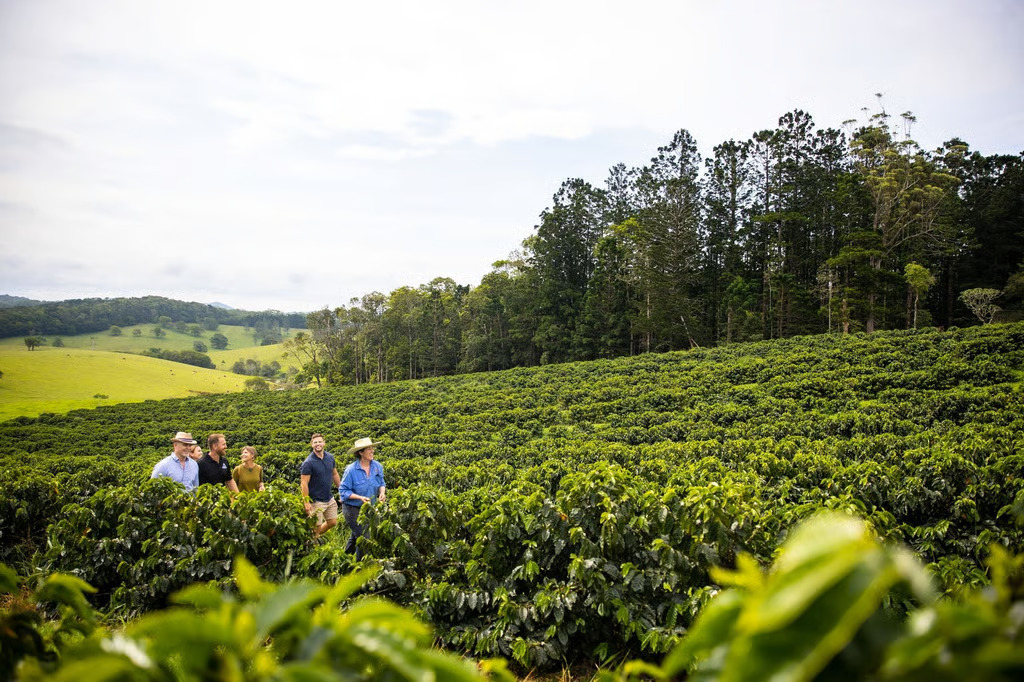
The Mareeba area on the northern Tablelands is one of the few places in Australia where coffee is commercially grown, with tens of thousands of Arabica trees thriving in the volcanic soil.
Jaques Coffee is one of the region’s best-known plantations, with more than 85,000 Arabica trees, an on-site roastery, and a licensed café where you can order a cup made from beans grown just metres away. Tours take you through the growing, harvesting, and roasting process, and include coffee and liqueur tastings.
If you want to go deeper into the coffee world, Coffee Works in Mareeba offers all-day tastings of coffee, chocolate, and liqueurs. Skybury Café and Roastery is another popular stop, with one of the most panoramic settings on the Tablelands and its own double-cropping operation with papaya alongside the coffee.
These are just a handful of the Tablelands’ coffee producers – the region grows more commercial coffee than anywhere else in Australia.
Cheese, chocolate and dairy
The Tablelands have a proud dairy heritage, and several farms now produce artisan cheese, yoghurt, ice cream, and Swiss-style chocolates alongside their regular operations.
Gallo Dairyland is one of the most visited stops on the food trail. Spread across 1,000 acres of red volcanic soil near Atherton, it’s a working dairy farm that also houses a gourmet cheese factory and a chocolate-making facility. The café serves meals overlooking rolling green hills, and tastings cover a range of house-made cheeses and handcrafted Swiss-style chocolates. It’s open Wednesday to Sunday.
Further south, Mungalli Creek Dairy takes a biodynamic approach, producing yoghurt, cheese, and eggs from its farmhouse café overlooking green Tablelands pasture. The ploughman’s lunch and the cheesecake are both worth the drive.
For something sweet to finish, family-owned ice creameries around the region make their products on site using local cream and seasonal tropical fruit. Shaylee Strawberry Farm near Atherton also produces strawberry wines and gelato, and offers pick-your-own strawberries from June to October.
Distilleries and tropical wineries
This isn’t wine country in the traditional sense, but the Tablelands have carved out a niche that’s distinctly their own.
Mt Uncle Distillery at Walkamin is the region’s most well-known drinks stop – North Queensland’s first and only distillery, named Australian Distiller of the Year in 2017. The property sits among coffee and banana plantations, with resident alpacas, donkeys, and peacocks wandering the grounds. Tastings cover handcrafted gins, rums, whiskeys, and liqueurs infused with native Australian botanicals. It’s one of those stops where you plan for 20 minutes and end up staying an hour.
Newer to the scene, Eventide Hills Distillery near Tolga is a small-batch operation producing gin, vodka, and liqueurs on a family farm – laid-back, unpretentious, and worth a stop if you’re passing through.
Tropical fruit wineries are another Tablelands specialty. Golden Drop Winery near Mareeba makes wines from Kensington Red mangoes – it was the world’s first commercial mango winery – alongside sparkling and citrus blends. Other producers work with strawberries, dragon fruit, and tropical varieties you won’t find in any other Australian wine region.
Tip: If you’re planning to taste spirits and wine, a guided tour solves the designated driver problem entirely.
Farm-gate shopping and produce stops
Beyond the sit-down tasting experiences, the Tablelands are scattered with roadside produce shops, farm-gate stalls, and quirky country stores that are worth pulling over for.
The Humpy near Atherton is a local favourite – a farm-direct grocery shop stocked with freshly harvested tropical fruit, hundreds of varieties of nuts, dried produce, locally made jams, and sauces straight from the growers. It’s the kind of place where you pop in for macadamias and leave with three bags of things you didn’t know you needed.
The Lake Barrine Teahouse is another essential stop, though it’s as much about the setting as the food. This heritage timber building – originally built in the 1930s – sits on the banks of a volcanic crater lake surrounded by World Heritage rainforest. The Devonshire tea is a Tablelands institution.
There are many more producers, cafés, and farm-gate stops across the region than any single guide can list – part of the fun is discovering your own favourites along the way.
What you’ll taste on a typical food tour
Cairns Discovery Tours has been connecting visitors with the Tablelands’ best producers for nearly 30 years, and a guided food and wine day typically takes in six to seven stops with tastings at each one. Here’s the kind of spread you can expect across a full day.
| Stop Type | What You’ll Taste | Time to Allow |
| Coffee plantation | Freshly roasted coffee, liqueurs | 30-45 min |
| Dairy farm | Artisan cheese, Swiss-style chocolates | 30 min |
| Distillery | Gin, rum, whiskey, and botanical liqueurs | 30-45 min |
| Tropical fruit winery | Mango wine, strawberry wine, fruit ciders | 20-30 min |
| Farm produce shop | Seasonal tropical fruit, nuts, dried produce | 20 min |
| Lakeside teahouse | Devonshire tea, local breakfast | 30-45 min |
| Ice creamery | House-made ice cream and sorbets | 20 min |
Most guided tours also include a full breakfast, morning tea, a gourmet lunch, and afternoon tea – so you won’t go hungry. Come with an empty stomach and pace yourself.
Self-drive or guided tour?
Both work well, but the food and wine experience is one area where a guided tour has some real advantages.
Self-driving gives you the flexibility to choose your own stops and linger where you like. The producers are scattered across the Tablelands, so a car and a loose plan lets you follow your own interests. Just be mindful of opening days – not every producer is open daily, so checking ahead saves wasted detours. And if you’re the driver, you’ll need to be strategic about the spirit and wine tastings.
Guided tours handle all the transport, include curated tastings at producers who regularly welcome visitors, and typically weave in scenic stops like crater lakes and rainforest lookouts along the way. You can taste everything freely without worrying about driving, and the local commentary from guides who know these producers personally adds a layer you won’t get on your own.
The Outback Tasting Tour is a full-day food and wine adventure with seven stops across the Tablelands. The day includes breakfast at a lakeside teahouse, tastings of liqueurs, wines, beers, spirits, cheeses, coffee, chocolate, tropical fruits, and even crocodile and kangaroo, plus a gourmet lunch and afternoon tea. It runs Wednesday through Saturday with return transfers from Cairns and Palm Cove ($265 per person, adults only – children under 15 are not catered for on this tour). Check the tour page for the latest rates and departure days.
Related reading: Must-see waterfalls on the Atherton Tablelands
Explore Cairns
Atherton Tablelands
Just over an hour from Cairns, the Atherton Tablelands is a lush highland region with thundering waterfalls, crater lakes and farm-fresh food and wine.
See Tablelands toursWhen to go
The Tablelands’ food scene runs year-round – producers operate in every season, and guided tours depart multiple days a week regardless of the weather. A few seasonal notes are worth knowing:
- Tropical fruit peaks in summer (December to March), when mangoes, dragon fruit, and other seasonal varieties are at their freshest.
- Coffee harvest typically runs from July to November, when you’re most likely to see the picking and processing stages in action.
- Winter (June to August) brings cooler mornings that make walking around farm properties more comfortable. It’s also the quietest period for visitor numbers.
- Strawberry season on the Tablelands runs roughly June to October – some farms offer pick-your-own during this window.
Mid-week departures tend to be quieter than weekends, which means more time and attention from producers at each stop.
Frequently asked questions
Is the Atherton Tablelands a wine region?
Not in the traditional sense. The Tablelands don’t produce grape wines, but they do have tropical fruit wineries making mango wine, strawberry wine, dragon fruit cider, and other fruit-based drinks. There are also distilleries producing award-winning gin, rum, and liqueurs. It’s a different kind of tasting experience – and one that’s unique to Tropical North Queensland.
Can you do a food tour from Cairns in one day?
Yes. Most guided food tours run as full-day experiences departing from Cairns, with return transfers included. The drive to the Tablelands takes about 90 minutes each way, and a typical tour visits six to seven stops across the day, returning to Cairns by late afternoon.
Is the food tour suitable for families?
It depends on the tour. The Outback Tasting Tour is designed for adults and is not suitable for children under 15, as it focuses on wine, spirit, and beer tastings. Families with younger children may prefer the waterfall and rainforest-focused Tablelands tours that include food stops alongside swimming and nature experiences.
What if I have dietary requirements?
Most tour operators can accommodate dietary needs with advance notice. Let the team know when you book so arrangements can be made with each producer along the route.
You may also like: Best day trips from Cairns for first-timers
Taste the Tablelands for yourself
The Atherton Tablelands food trail is one of the most unexpected highlights of a Cairns trip. It’s a world away from the reef and the coast – cooler air, red volcanic soil, rolling farmland, and a day spent eating and drinking your way through some of the most distinctive produce in Australia. Whether you’re a dedicated foodie or just someone who appreciates a good cheese platter with a view, it’s a day well spent.
Browse our Atherton Tablelands tours to compare the food and wine option with the waterfall-focused tours, or give us a call on (07) 4028 3567 or get in touch by email. We’ll help you pick the right Tablelands day for your group – and trust us, you’ll want to come hungry.