Skip to main content Skip to footer
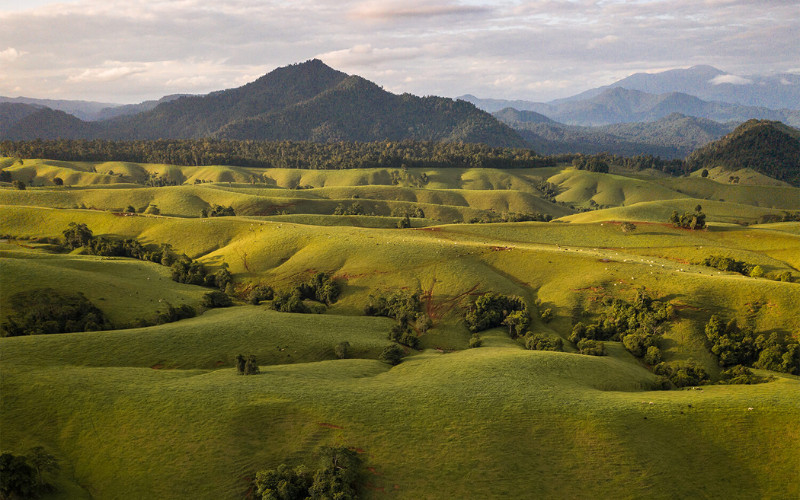
The Atherton Tablelands sit between 600 and 1,100 metres above sea level, which means the sticky coastal humidity that Cairns is known for doesn’t really reach up here. Locals call the Tablelands “nature’s air conditioning”, and once you step out of the car on the plateau, you’ll understand why.
The season you choose will shape what you see. Waterfalls at full roar, wildlife out and about, misty mornings over green farmland, or crisp winter nights under a clear sky – the Tablelands deliver something different in every month. This guide breaks it down so you can plan your visit around what matters most to you.
Atherton Tablelands weather at a glance
The Tablelands follow a tropical two-season pattern – wet and dry – but with noticeably cooler temperatures than the coast. Here’s what to expect through the year.
| Season | Months | Daytime temps | Rainfall | What to expect |
| Wet season | Dec – Apr | 25-31°C | Heavy (up to 244mm in Feb) | Lush green, powerful waterfalls, and afternoon storms |
| Dry season | May – Nov | 20-27°C | Very low (as little as 18mm in Sep) | Clear skies, cool mornings, best walking weather |
| Winter | Jun – Aug | 17-23°C | Minimal | Crisp mornings, possible frost in southern areas |
Average annual rainfall sits around 1,174mm, with the vast majority falling between December and March. The driest months are August and September, when the Tablelands can go days without a cloud in the sky.
Wet season (December to April) – waterfalls at their best
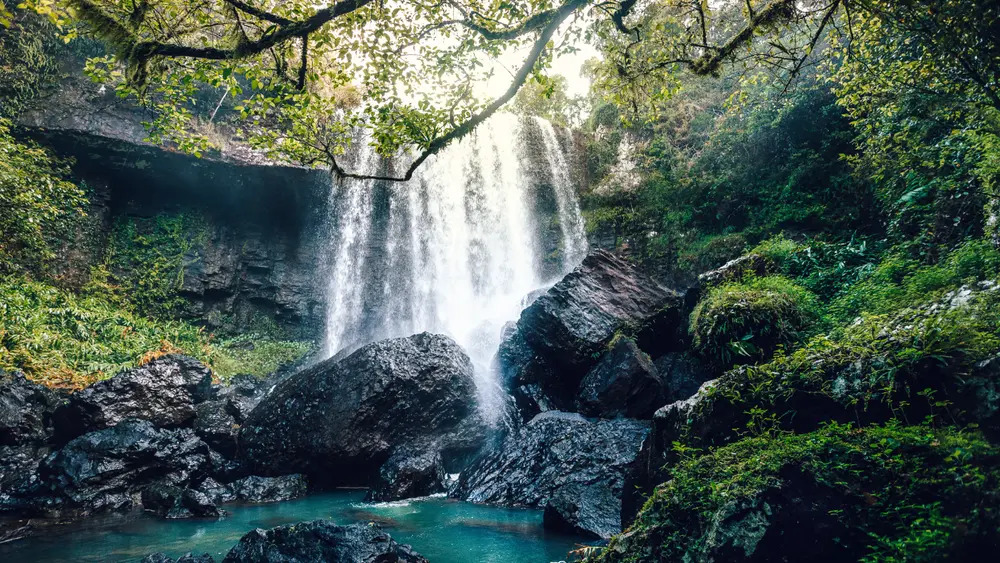
If waterfalls are the main reason you’re heading to the Tablelands, the wet season is when they put on their best show. Millaa Millaa Falls at full volume is a completely different experience from its dry-season trickle – the spray reaches metres from the pool, the sound fills the gorge, and the surrounding rainforest turns its most vivid green.
The wet season also brings the Tablelands to life in ways you won’t see at other times of year. The rainforest canopy thickens, creeks and swimming holes fill up, and the whole plateau feels lush and energised. Frogs call through the evenings, and spotlighting tours for possums and gliders are particularly rewarding after showers.
The trade-offs: Afternoon storms are common (sometimes heavy), walking tracks can be muddy, and some swimming spots may close temporarily when water levels run high. The humidity is higher than in the dry season, though still much more comfortable than coastal Cairns.
Best for: Waterfall photography, rainforest walks in full green, and visitors who don’t mind a bit of tropical rain.
Dry season (May to November) – the most popular window
This is the period most visitors choose, and it’s easy to see why. The weather is reliably clear, the mornings are cool and comfortable, and the conditions underfoot are at their best for walking and exploring.
Daytime temperatures sit between 20°C and 27°C – warm enough for a swim but cool enough that you’re not wilting on the trails. Evenings can drop to 10-15°C, which catches people off guard if they’ve come straight from the coast. A light jacket or jumper is worth throwing in the bag.
The main circuit waterfalls still flow through the dry season, though at lower volume. Smaller cascades may slow to a thin veil, but the big three – Millaa Millaa, Zillie, and Ellinjaa – keep running year-round.
Best for: Comfortable walking weather, families with kids, first-time visitors who want reliable conditions.
Related reading: Must-see waterfalls on the Atherton Tablelands
Winter on the Tablelands (June to August) – a different side of the tropics
Winter on the Atherton Tablelands doesn’t look anything like winter on the coast. Up on the plateau, mornings can be genuinely cold – single digits in the southern areas around Ravenshoe and Millaa Millaa, with frost on the ground in some spots.
Daytime temperatures climb to a comfortable 20-23°C, and the skies are often the clearest you’ll see all year. It’s a great time for stargazing, cosy farm stays, and enjoying the Tablelands’ food scene without crowds.
The cooler air also makes longer walks more comfortable – the waterfall circuit, crater lake trails, and rainforest boardwalks are all at their most pleasant. If you’re planning your trip around the weather more broadly, our Cairns weather guide covers conditions across the region month by month.
Pack for it: Bring layers. A warm jacket for early mornings and evenings, and lighter clothes for the middle of the day. The temperature swing between 7 am and 2 pm can be significant.
Best months for wildlife spotting

The Atherton Tablelands is one of the richest wildlife regions in Australia, and what you’re likely to see shifts with the seasons. Wildlife spotting is included on several Atherton Tablelands tours available through Cairns Discovery Tours, while our Atherton Tablelands Wildlife guide covers where and when to look for local species.
- Platypus – Visible year-round at Peterson Creek in Yungaburra (best at dawn and dusk), but sightings can be easier during the dry season when creek levels are lower, and the water is clearer.
- Lumholtz’s tree kangaroo – Present year-round in the rainforest around Malanda and Yungaburra. The dry season (June to October) makes forest access easier, and tree kangaroos may be more visible in the sparser canopy.
- Birds – April to October is prime for waterbird watching at Hasties Swamp National Park as wetlands contract, and birds concentrate. The Tablelands support 12 endemic bird species found nowhere else.
- Nocturnal wildlife – Possums, gliders, and frogs are active year-round, but spotlighting tours are particularly rewarding during and just after the wet season when the forest is at its most active.
- Cassowaries – Present year-round in fragments of Wet Tropics rainforest on the southern Tablelands. Always drive slowly in signed cassowary zones.
Best time by activity
Different visitors come to the Tablelands for different reasons. Here’s a quick reference to match your plans to the calendar.
| What you’re after | Best months | Why |
| Waterfalls at full power | Jan – Mar | Peak rainfall fills every cascade |
| Swimming at falls and lakes | May – Oct | Calmer water levels, reliable access |
| Comfortable walking weather | May – Sep | Cool, dry, clear skies |
| Wildlife spotting | Apr – Oct | Better visibility, drier forest access |
| Food and wine touring | Year-round | Producers operate all year; quieter mid-week |
| Photography | Mar – May | Green season meets clearing skies |
| Avoiding crowds | Apr – May, Sep – Nov | Shoulder seasons between peak periods |
Explore Cairns
Atherton Tablelands
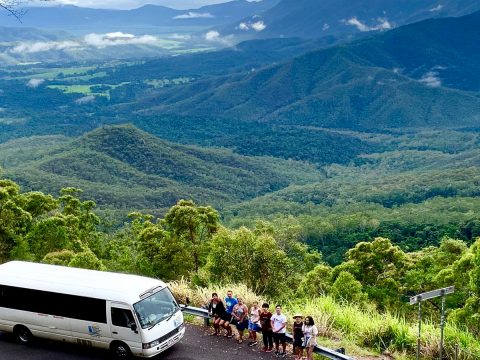
Just over an hour from Cairns, the Atherton Tablelands is a lush highland region with thundering waterfalls, crater lakes and farm-fresh food and wine.
See Tablelands toursGetting to the Tablelands from Cairns
The drive from Cairns to the Atherton Tablelands takes roughly 90 minutes via the Gillies Highway or the Kennedy Highway through Kuranda. Both roads are sealed and fine for a standard rental car.
If you’d rather leave the driving to someone else and get local insight along the way, the Waterfalls and Rainforest Tour is a full-day adventure that takes in Millaa Millaa Falls, Josephine Falls, Babinda Boulders, Lake Eacham, and the Curtain Fig Tree – with morning tea, lunch, and return transfers from Cairns and the Northern Beaches all included.
Frequently asked questions
These are the questions we hear most when visitors are planning their Tablelands trip.
What is the best month to visit the Atherton Tablelands?
May to September offers the most reliable weather – clear skies, cool mornings, and comfortable temperatures for walking and exploring. For waterfall photography, January to March delivers the most dramatic flow. There’s no bad month to visit – it comes down to what you want to see and do.
Is the Atherton Tablelands cooler than Cairns?
Yes, noticeably. The Tablelands sit between 600 and 1,100 metres above sea level, which brings temperatures down by 5-10°C compared to the coast. Humidity is also much lower. Winter mornings can drop to single digits in the southern areas.
Does it rain a lot on the Atherton Tablelands?
Most of the rain falls between December and March, with February being the wettest month (averaging around 244mm). The dry season (May to November) sees very little rainfall, with September averaging just 18mm. Even in the wet season, mornings are often clear – the rain typically arrives in the afternoon.
Can you visit the Atherton Tablelands year-round?
Absolutely. The Tablelands are accessible and enjoyable in every month. Roads stay open year-round, tours operate daily, and the waterfalls flow in every season. The only variable is what the landscape looks like and how much water is in the falls.
What should I wear on the Atherton Tablelands?
Layers are key. Mornings can be cool (especially in winter), but daytime temperatures warm up quickly. Comfortable walking shoes with grip, a light jacket, and swimmers are the essentials. In the wet season, a rain jacket is worth having.
You may also like: Best day trips from Cairns for first-timers
Plan your Tablelands visit
The Atherton Tablelands reward visitors in every season – whether you want thundering waterfalls, clear walking weather, or the best chance of spotting a platypus at dawn. Whatever draws you up to the plateau, it’s one of those Cairns day trips that stays with you long after you’re home.
With nearly 30 years of local experience, Cairns Discovery Tours can help you plan the right Tablelands day for your group – from waterfall adventures to food and wine tasting through the region’s best local producers. Browse our Atherton Tablelands Tours from Cairns to find the right fit, or give us a call on (07) 4028 3567 or reach out by email. We love talking about the Tablelands, and we’ll help you pick the perfect day.