Skip to main content Skip to footer
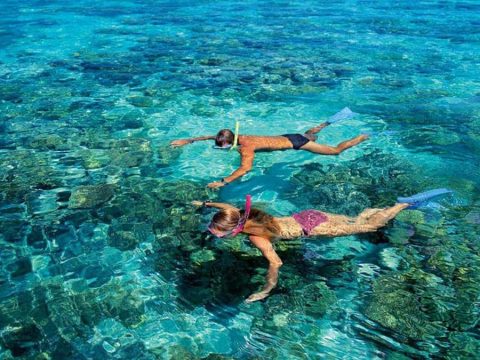
There’s a moment – usually about thirty seconds after you put your face in the water – when it hits you. The coral is right there. Not in a documentary, not behind glass. Just there, in every colour, with fish weaving through it like they have no idea you’re watching. That moment is why people travel halfway across the world to get to Cairns.
Planning your first Great Barrier Reef trip comes with a lot of questions. Which tour should you book? Do you need to know how to snorkel? What if you get seasick? Is the outer reef really that different from snorkelling off a beach? This guide covers everything a first-time reef visitor needs to know – from choosing the right tour to what to pack, what to expect on the day, and how to make the most of every minute out there.
What actually is the Great Barrier Reef – and how do you access it?
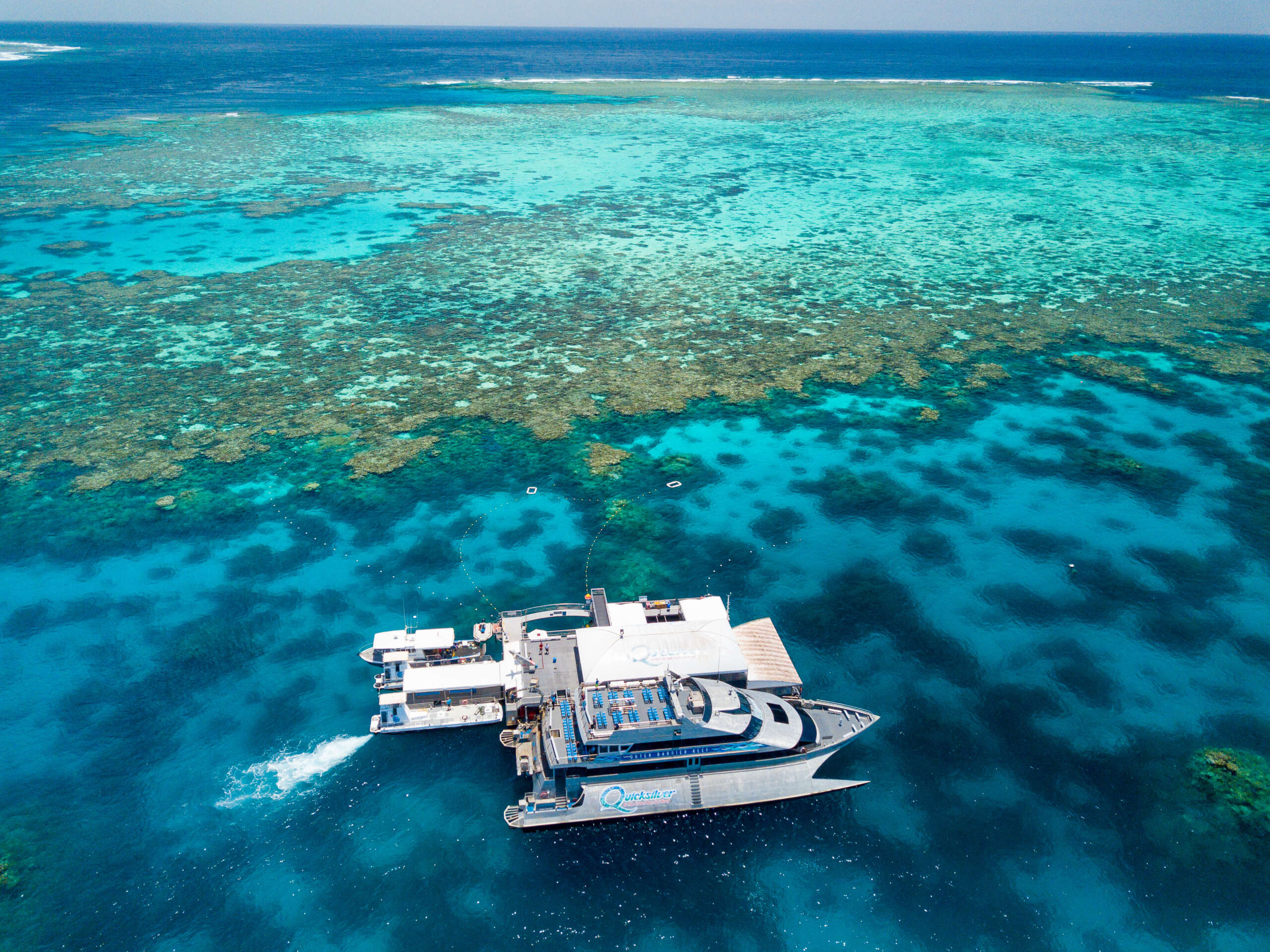
The Great Barrier Reef is the world’s largest coral reef system – stretching more than 2,300 kilometres along Queensland’s coast and listed as a World Heritage area. From Cairns, you’re looking at roughly 90 minutes by boat to reach the outer reef, depending on the operator and the site.
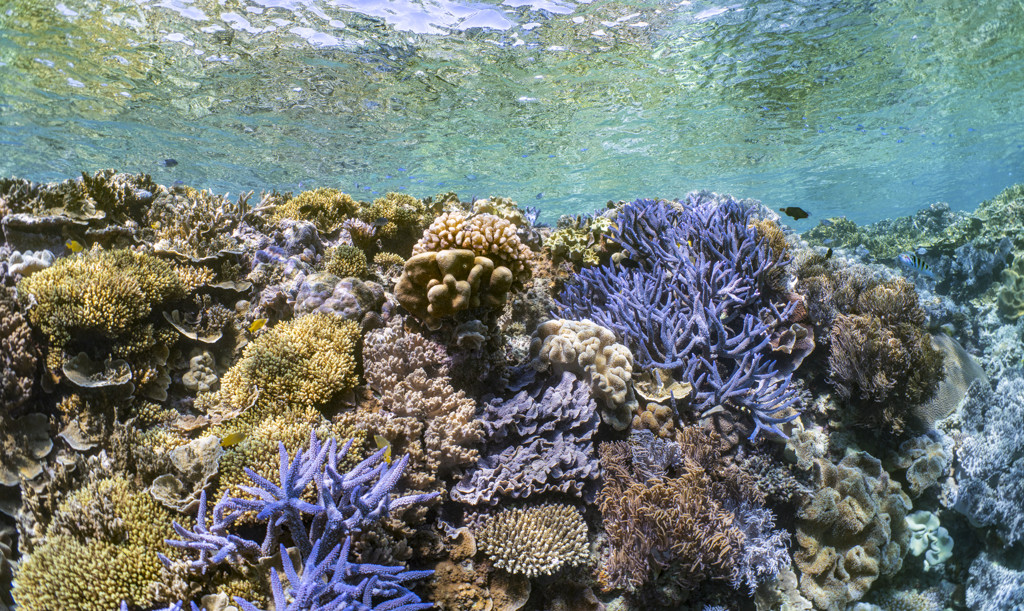
That distance matters. The outer reef is where visibility opens up, coral formations get dramatic, and marine life is at its richest. From June through October, visibility on the outer reef regularly reaches 20 metres – you can see the coral formations below before you even hit the water. Closer to shore, you’ve got the reef islands – Green Island and Fitzroy Island – which sit inside the reef and offer their own snorkelling experiences.
The key point for first-timers: the Great Barrier Reef is not something you wade into from a Cairns beach. You need a boat, and you need a tour. Cairns Discovery Tours can help you find the right one – whether you’re after a small-group experience, a family-friendly pontoon, or a full outer reef day.
Choosing the right tour for your first visit
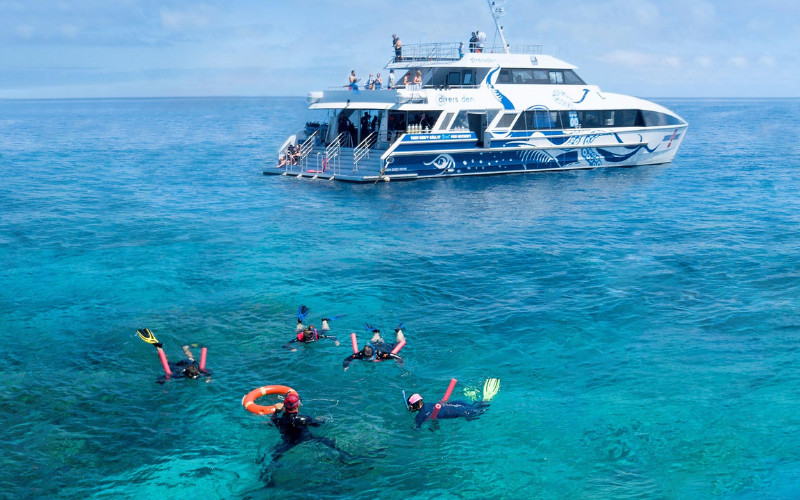
This is the question the team at Cairns Discovery Tours gets asked most. And the honest answer is: it depends on what kind of experience you’re after.
Here’s a straightforward breakdown of the main options.
Outer reef day tours
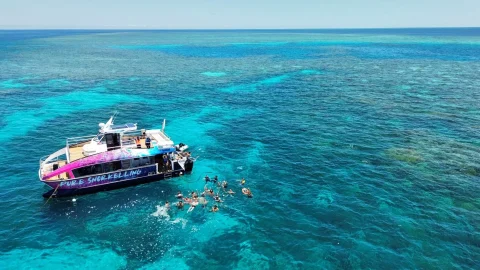
The most popular choice for first-time visitors. You board a vessel in central Cairns in the morning, head out to the outer reef (around 90 minutes each way on most boats), and spend several hours snorkelling, diving, and exploring.
Most outer reef tours visit two sites, giving you a genuine sense of the reef’s variety. Larger vessels carry 100-plus passengers and include onboard marine biologists, reef briefings, and full snorkel equipment hire. Smaller boutique operators run trips with fewer passengers; each varies depending on the operator.
Good for: First-timers who want the full outer-reef experience, confident snorkellers, and those wanting the option to try an introductory scuba dive.
Reef pontoon tours
Some operators run tours to a permanent pontoon moored at the outer reef, such as the Great Barrier Reef Tour with Reef Magic from Cairns. These floating platforms have calm, enclosed snorkelling lagoons, underwater observatories, shaded decks, and in some cases, semi-submersible tours. They’re ideal if you’re travelling with young kids, aren’t confident in open water, or simply want a gentler introduction.
Good for: Families with children, nervous snorkellers, non-swimmers (pontoons also offer glass-bottom boats and underwater viewing without getting wet), and anyone who wants a calmer, more structured experience.
Island day tours
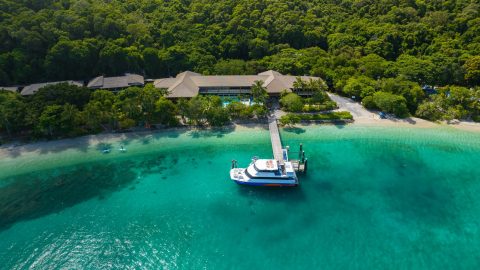
Green Island sits about 45 minutes from Cairns and has a fringing reef you can snorkel straight from the beach – no boat entry required. Fitzroy Island is a 45-minute ferry ride away and offers easy walking trails, a small resort, and good snorkelling around the headland. Neither island delivers the scale of the outer reef, but both give you a relaxed half-day or full-day option with beach time included.
Good for: Families, those with limited time, visitors who want to mix reef snorkelling with a beach day, and anyone after a lower-intensity introduction.
Related reading: The 3 Best Islands to Visit at the Great Barrier Reef
Helicopter and scenic flight tours
Seeing the reef from the air is a completely different experience – the patterns of coral, the shifts in colour from turquoise to deep blue, the sheer scale of it. Some tours, like the Reef-Rainforest Scenic Helicopter Flight, combine a scenic helicopter flight with a boat trip to the reef, giving you both perspectives in one day.
Good for: Those who want to add something memorable to a reef day, photographers, and visitors who have already snorkelled the reef before.
What if you can’t swim or don’t want to get wet?
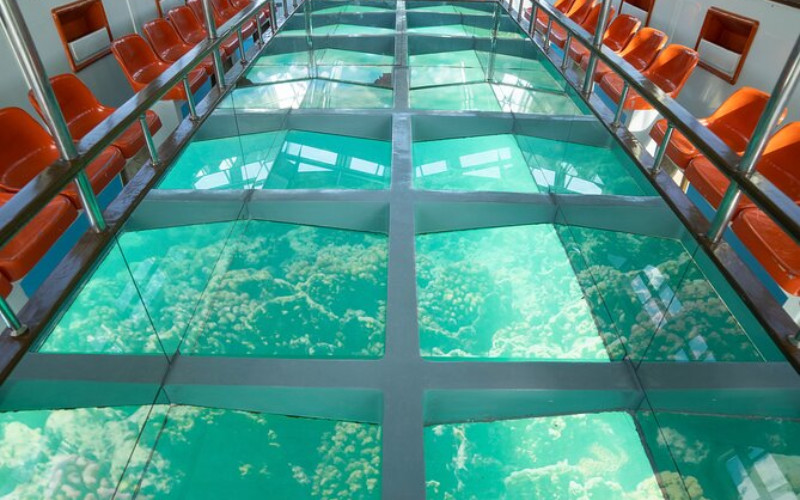
You don’t need to be a swimmer to experience the Great Barrier Reef. Several options let you see the coral and marine life without getting in the water at all:
- Glass-bottom boats – drift over the reef and watch the marine life through clear panels beneath your feet
- Semi-submersibles – sit below the waterline in an enclosed cabin with large viewing windows on either side
- Underwater observatories – walk down to a fixed viewing platform below the surface on pontoon-based tours
These are available on most pontoon tours and several of the larger day trip vessels. If you’re travelling with someone who wants to snorkel while you’d rather stay dry, a pontoon tour is the best way to share the day.
Do you need to know how to snorkel?
No – and this surprises most first-timers.
Every reef day tour includes full snorkel equipment (mask, fins, snorkel, and a wetsuit or stinger suit), and crew members give a brief demonstration on the boat before you enter the water. If you’ve never snorkelled before, the crew will help you get comfortable before you head off on your own.
Most tours also provide flotation noodles and snorkel vests – you don’t need to tread water or be a strong swimmer to enjoy snorkelling. The reef is shallow enough in many sections that you’re drifting over coral just three to five metres below the surface.
If you’d rather stay dry, plenty of tours offer glass-bottomed boats, semi-submersibles, or underwater observatories. You’ll still see coral and marine life – just without getting wet.
Related reading: Great Barrier Reef snorkelling vs diving
Should you try an introductory scuba dive?
If you’ve ever wanted to try scuba diving, a first reef trip is a good time to do it. Most outer reef day tours offer introductory dives (sometimes called “resort dives” or “discover dives”) that require no prior certification. A qualified instructor briefs you on the boat, stays with you underwater the entire time, and controls your buoyancy.
The experience of dropping below the surface – past the snorkellers above you, down to where the coral rises, and the fish are swimming at eye level – is genuinely different from snorkelling. If the reef from above looks incredible, from below it’s something else entirely.
That said, introductory dives aren’t for everyone. They cost extra (typically $150-$250 per dive), require a short health check, and aren’t suitable for some medical conditions. If you’re keen to try, the Great Barrier Reef tour with Great Adventures runs intro dives from their outer reef platform. making it particularly easy for first-timers.
Note: Prices are a guide only and can shift with the season and the operator. Always confirm current pricing on the tour page before you book.
You may also like: 5 Reasons to Visit the Great Barrier Reef
What will you actually see?
What you see on any given day depends on the site, the season, and a little luck. But here’s what’s realistic on a typical outer reef day tour from Cairns:
- Coral formations – hard and soft corals in shapes from flat plates to branching staghorns and large brain corals
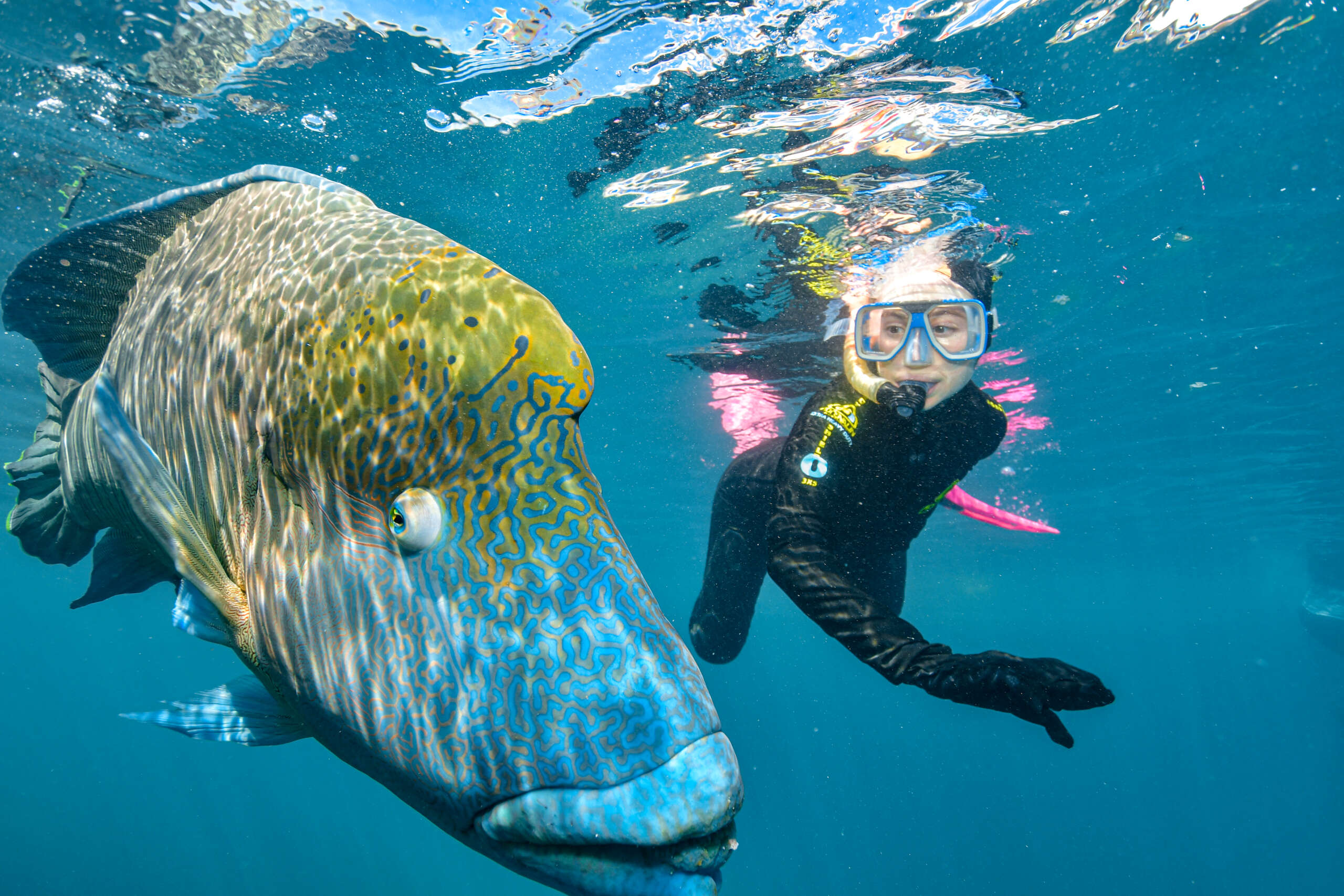
- Reef fish – parrotfish, wrasse, surgeonfish, triggerfish, and the ever-present Maori wrasse (large, friendly, and used to boats)
- Sea turtles – green turtles are common on most outer reef sites and are surprisingly unbothered by snorkellers
- Giant clams – some over a metre wide, sitting open in shallow water
- Reef sharks – whitetip and blacktip reef sharks are regularly spotted, and are not a concern
- Clownfish – yes, in actual anemones
- Seasonal sightings – manta rays, whale sharks, and migrating dwarf minke whales (June to July) are possible depending on the site and the time of year
Visibility is generally best between May and October. In the wet season (November to April), the water can be warmer, but visibility is sometimes reduced after heavy rain.
Related reading: Great Barrier Reef marine life guide: meet the world below the surface
Explore Cairns
Great Barrier Reef
Explore one of the world’s greatest natural wonders with daily reef tours from Cairns. Snorkel, dive or cruise the coral with options to suit every age and ability.
See reef toursWhat to pack for a reef day tour
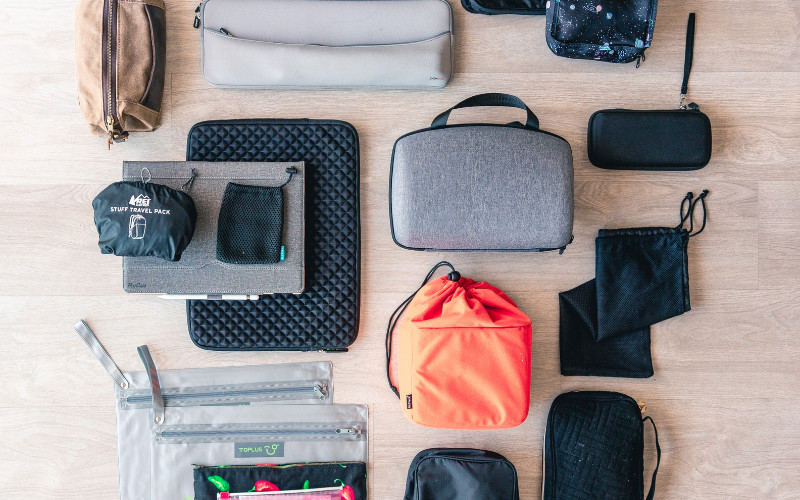
The operator provides most of what you need. What to bring from your end:
- Swimwear – worn under your wetsuit or stinger suit
- Towel – most boats have limited towel hire
- Reef-safe sunscreen – choose a mineral-based, reef-safe version that won’t damage corals.
- Hat and a light layer of clothing, for the boat ride out and back
- Water and snacks – most tours include lunch, but bring a water bottle
- Cash or card – for optional extras like intro dives, professional photos, or drinks
- Motion sickness medication – if you’re prone to seasickness, take it before boarding. Ask the team about which tours use larger, more stable vessels if this is a concern.
- Waterproof phone case or underwater camera – optional, but you’ll want photos
Leave jewellery at the hotel. Leave flip-flops at the dock – most boats have non-slip surfaces, but fins are easier without them.
Related reading: What to pack for a Great Barrier Reef tour
Look after the reef while you’re out there
The Great Barrier Reef is a protected World Heritage Area, and every visitor plays a part in keeping it healthy. A few simple things make a real difference:
- Don’t touch, stand on, or break off coral – it’s a living organism, and even light contact can cause damage
- Use reef-safe sunscreen only – chemical sunscreens with oxybenzone and octinoxate harm coral. Mineral-based (zinc oxide) alternatives are widely available
- Don’t chase or touch marine life – turtles, fish, and sharks are best observed from a respectful distance
- Take everything with you – no rubbish goes overboard
Every tour includes a reef briefing covering these points, and the crew are there to help. It’s straightforward – the reef just needs you to enjoy it without leaving a mark.
When is the best time to go?
The Great Barrier Reef runs tours year-round, and there’s no truly “bad” time to visit. But conditions do vary significantly by season.
| Season | Conditions | Notes |
| May – October (Dry season) | Best visibility, calmer seas, comfortable temperatures | Peak season – book ahead |
| November – April (Wet season) | Warmer water, occasional reduced visibility after rain | Stinger season – wetsuits/stinger suits recommended |
| June – July | Dwarf minke whale season on the outer reef | Unique seasonal encounter |
| August – September | School holiday peak | Busiest period – early booking essential |
Stinger suits are provided on all tours during the wet season. They cover your arms and legs and protect against marine stingers – another reason not to skip the tour briefing.
For a deeper look at timing your Cairns trip, see the best time to travel to Cairns guide.
A few things that catch first-timers off guard
These aren’t reasons to worry – just things worth knowing before the day.
The boat ride is part of the experience. The outer reef is 50-80 kilometres offshore. That’s 60 to 90 minutes each way. On most days, it’s fine. On rougher days, it can be choppy. Sit towards the middle of the boat, stay on deck if you feel unwell, and eat a light breakfast before departing.
Mornings are calmer. The wind tends to pick up in the afternoon, so most day tours depart between 7:30 am and 9 am. This also means the reef is at its calmest when you arrive.
You won’t see the whole reef. The Great Barrier Reef covers 344,400 square kilometres. Your tour will visit two or three sites. That’s not a disappointment – it’s a reason to come back.
The reef looks different underwater. Photographs and documentaries tend to show the reef lit up in vivid colour. Underwater, colour changes with depth and light. Bring a small underwater torch if colour fidelity matters to you – it makes a real difference on deeper sections.
Professional photos are worth it. The onboard photographers on most reef tours know the sites, the light, and the wildlife. If photos matter to you, their shots will be better than anything from a waterproof phone case.
Frequently asked questions
Is the Great Barrier Reef good for first-time snorkellers?
Yes – the Great Barrier Reef is one of the most beginner-friendly snorkelling destinations in the world. Tours provide all equipment, the crew offers in-water assistance, and many sites have calm, shallow sections ideal for those new to snorkelling.
How far is the Great Barrier Reef from Cairns?
The outer reef is roughly 50-80 kilometres from Cairns, depending on the site. Most day tours take 60-90 minutes to reach the reef by boat. Reef islands like Green Island and Fitzroy Island are much closer – 27 and 45 kilometres respectively.
Do I need to book a reef tour in advance?
During peak season (June to October) and school holiday periods, the most popular reef tours book out days or weeks in advance. Even outside peak season, booking a few days ahead is recommended to secure your preferred date and tour type.
What if I’m worried about seasickness?
Take motion sickness medication before you board – it’s far more effective when taken before symptoms start. Sitting towards the middle of the vessel and spending time on deck (rather than below) also helps. The team can recommend operators who use larger, more stable vessels if this is a genuine concern.
Can children visit the Great Barrier Reef?
Yes. Families visit the reef every day. Some tours have minimum age requirements (typically around three to four years for snorkelling), and reef pontoon tours are particularly well-suited to young children thanks to their calm, enclosed snorkelling areas. Check the specific tour details before booking.
Is it safe to snorkel if I can’t swim well?
Most reef tours provide flotation aids – snorkel vests and noodle belts – that allow non-swimmers and nervous swimmers to snorkel comfortably. The crew is in the water and on deck throughout. Pontoon tours with enclosed lagoons are the safest option for those with limited swimming confidence.
Ready to book your first reef trip?
The Great Barrier Reef is one of the few places on Earth that genuinely lives up to the anticipation. Cairns Discovery Tours has spent nearly three decades helping visitors find the right tour for their first time out there – matching group sizes, swimming ability, budgets, and travel dates with the operators who deliver the best experience.
Browse Great Barrier Reef tours from Cairns and find the right fit for your trip. Not sure where to start? Call the team on (07) 4028 3567 or drop us a line – we’ll point you in the right direction.