Skip to main content Skip to footer
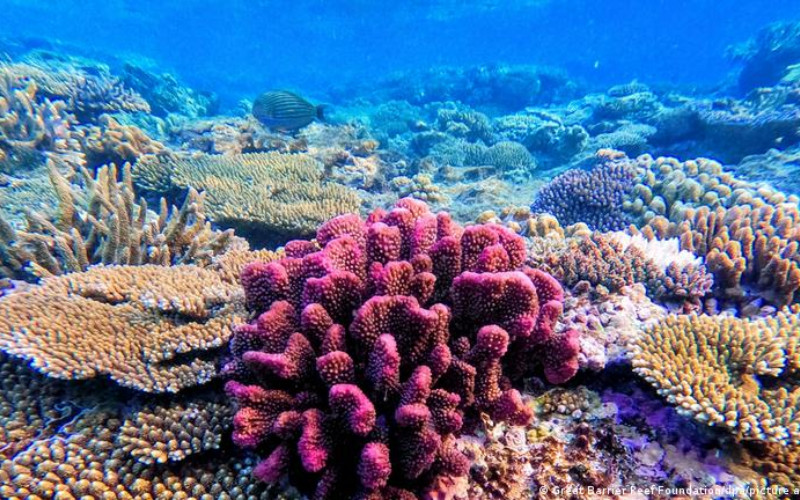
The Great Barrier Reef is the world’s largest coral reef system, a World Heritage-listed ecosystem, and one of the most closely studied marine environments on the planet. It’s also under real pressure – from warming oceans, bleaching events, and a range of threats that don’t pause between tourist seasons.
Anyone planning a reef trip from Cairns deserves an honest picture of that reality. Cairns Discovery Tours has been part of the reef tourism community for nearly three decades, and we believe visitors who understand the reef’s challenges make better choices on the water – and become stronger advocates for it when they get home. This guide covers the current state of the reef, the conservation work underway, and the practical ways to visit in a way that helps rather than hinders.
The state of the Great Barrier Reef: an honest assessment
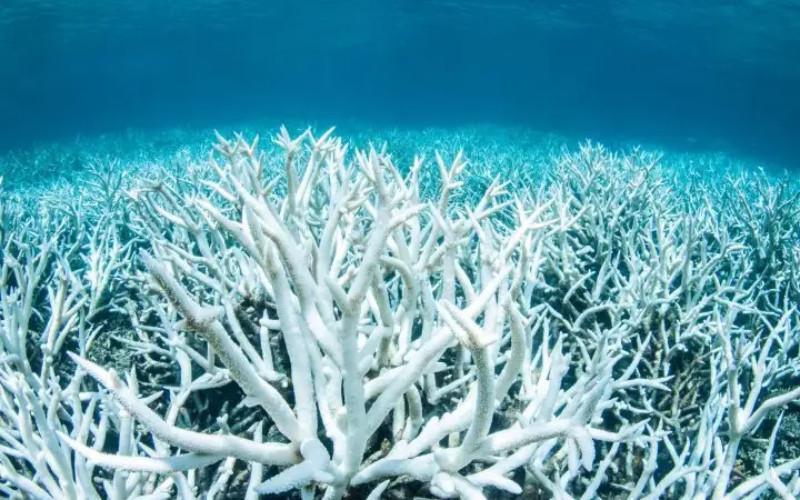
The Great Barrier Reef is not dead. It is not beyond saving. But it is under more pressure than at any point in recorded history, and glossing over that does no one any favors.
The Great Barrier Reef Marine Park Authority’s most recent reporting describes a reef under significant stress. The summer of 2023-24 was particularly damaging – marine heatwaves driven by climate change triggered severe and widespread coral bleaching, on top of cyclone damage, crown-of-thorns starfish outbreaks, and coral disease.
Seven mass bleaching events have been recorded between 1998 and 2024, all caused by rising ocean temperatures. During bleaching, coral expels the tiny algae that give it colour and nutrients, turning white. Bleached coral isn’t dead, but it’s weakened and vulnerable.
If bleaching persists, the coral dies. Recovery – where it happens – takes years to decades.
At the same time, parts of the reef are in genuinely good shape. Mangrove and island habitats remain healthy. Humpback whale populations have continued to recover. The reef’s sheer size – combined with strong legislation, local management, and the stewardship work of tourism operators and reef managers – provides a buffer against total ecosystem decline.
The honest picture is mixed. Some sections of the reef are in excellent condition. Others have taken significant hits. The long-term outlook depends largely on whether global emissions come under control – but locally, the management and restoration work happening right now is making a real difference.
What’s threatening the reef?
Understanding the threats helps explain why visitor choices matter. Here’s a summary of what impacts the reef:
| Threat | Impact | What’s being done |
| Climate change | Warming oceans trigger coral bleaching; most frequent and severe threat | Global emissions reduction; local resilience-building and coral restoration |
| Water quality | Agricultural runoff smothers coral and fuels algae growth | Catchment management programs; farmer partnerships to reduce pollutant loads |
| Crown-of-thorns starfish | Outbreaks consume coral faster than it can recover | Targeted control programs at key reef sites by tourism operators and rangers |
| Coastal development | Port expansion and dredging affect water quality and habitat | Marine Park zoning; environmental impact regulations |
Climate change and ocean warming
Climate change is the single biggest threat to the Great Barrier Reef – and to reefs worldwide. Warming ocean temperatures trigger bleaching. As global temperatures rise, bleaching events are becoming more frequent and more severe, and the recovery windows between events are shrinking.
This is the threat that individual visitors have the least direct control over in the short term. But in the longer term, the choices people make about energy, travel, and who they vote for all contribute to the bigger picture.
Water quality and land-based runoff
Agricultural runoff from Queensland’s coastal farms carries fertilisers, pesticides, and sediment into reef waters. The extra nutrients fuel algae growth, which competes with coral for space and light. Sediment clouds the water and smothers coral.
Progress has been made – pollutant loads have dropped since 2019 thanks to partnerships between government, farmers, and land managers. But the targets set for 2025 are unlikely to be fully met. There’s still a long way to go.
Crown-of-thorns starfish
The crown-of-thorns starfish is a natural reef predator that feeds on coral. At normal levels it’s part of the ecosystem. But when populations explode – triggered partly by warm water and excess nutrients – they can strip coral faster than it grows back.
Control programs actively target outbreaks at key tourism and high-value reef sites. Many of the tourism operators working out of Cairns are directly involved in this work, conducting underwater surveys and removing starfish as part of their regular operations.
Coastal development and shipping
Port development, dredging, and construction along the coast affect water quality and habitat in reef-adjacent waters. Shipping lanes cross the Marine Park, bringing vessel traffic and the associated risks of grounding and fuel spills. Marine Park zoning and environmental regulations provide a framework for managing these impacts, though pressure from development interests is ongoing.
What’s being done: conservation programs worth knowing about
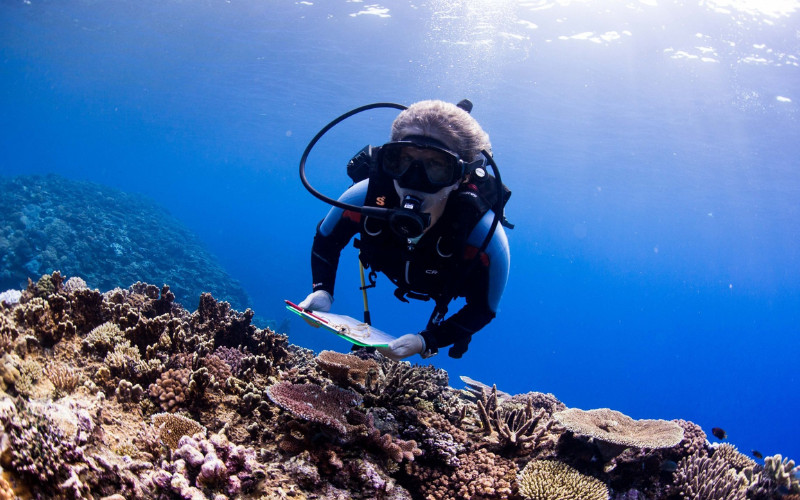
The reef is not unprotected. The scale of investment, research, and hands-on management is significant – and it’s worth knowing about before your visit.
The Great Barrier Reef marine park
The Marine Park covers roughly 344,000 square kilometres and operates under a zoning plan that manages different uses across different areas. Highly protected zones prohibit all extractive activities. General use zones permit regulated activities, including commercial tourism. The zoning system balances conservation with the reality that millions of people live, work, and visit within the reef region.
The Reef 2050 plan
The Reef 2050 Long-Term Sustainability Plan is the joint Australian and Queensland Government framework for managing and protecting the reef through to 2050. It sets targets across water quality, biodiversity, heritage, and climate resilience, and is updated as new science comes in.
Tourism operators on the front line
This is the part that surprises most visitors. Many of the reef tour operators working out of Cairns aren’t just taking people to the reef – they’re actively involved in protecting it.
The Australian Government’s Tourism Reef Protection Initiative funds commercial operators to deliver hands-on reef conservation work at key sites. That includes underwater health surveys, crown-of-thorns starfish removal, marine debris clean-ups, and real-time biodiversity monitoring. In April 2025, a further $5 million was committed to continue this work at 26 sites through to June 2026.
Operators certified as High Standard Tourism Operators by the Reef Authority meet strict environmental and quality standards. Some boats also carry Master Reef Guides – trained interpreters who share reef science and stories with visitors, turning a day tour into a genuine education.
When you book with a responsible operator through Cairns Discovery Tours, you’re not just buying a reef day. You’re supporting the crew who monitor and protect the sites you’re visiting.
Coral restoration
Active coral restoration is underway across the Cairns region. Some operators grow corals in underwater nurseries and transplant them onto damaged reef sections. Visitors on certain tours can see restoration sites firsthand.
The science of assisted coral evolution – breeding heat-tolerant coral strains that can better survive warming waters – is also advancing. It’s early days, but the research is promising.
Eye on the reef
The Reef Authority’s Eye on the Reef program lets trained snorkellers and divers – including visitors on commercial tours – contribute structured reef health observations. The data feeds directly into official monitoring and helps managers track changes across the reef in real time.
Related reading: Great Barrier Reef Safety Tips
How to visit the Great Barrier Reef responsibly
Individual visitor choices aren’t the primary driver of reef decline – that sits with climate change and land-based runoff. But two million people visit the reef every year. How those people behave on the water adds up.
Use reef-safe sunscreen
Regular sunscreens often contain chemicals that harm coral – even in tiny amounts. When you multiply that by thousands of snorkellers a day at a single reef site, the effect is real.
Use a mineral-based sunscreen with zinc oxide or titanium dioxide. Apply it before you leave your hotel so it has time to absorb properly. A rash vest or stinger suit reduces how much skin needs covering in the first place.
Don’t touch the coral – ever
One brush of a hand or kick of a fin can damage coral that took years to grow. Float above the reef, not on it. Keep your fins angled upward in shallow sections. This is one of the simplest rules and one of the most important.
Don’t chase, touch, or feed marine life
Turtles burn energy when they’re chased. Fish feeding behaviour gets thrown off when humans hand-feed them. Reef sharks that feel cornered are more likely to react defensively.
The best wildlife encounters happen when you hold still and let the animal come to you. This also produces better photos.
Choose operators who actively protect the reef
Not all operators contribute equally to conservation. Some are deeply involved in reef monitoring, starfish control, and restoration work. Others aren’t.
Our team at Cairns Discovery Tours selects partners based on the quality of the visitor experience and their commitment to operating responsibly within the Marine Park. Ask us which operators are involved in active reef conservation.
Take nothing from the reef
No shells, no coral, no souvenirs. Removing anything from the Great Barrier Reef Marine Park is illegal under Australian law and carries significant penalties. Leave what you find.
Think about your carbon footprint
Long-haul flights produce significant carbon emissions – there’s no way around that. Some operators offer carbon offset options at booking. More broadly, staying longer in one place and flying less produces more travel experience per unit of emissions than hopping between destinations.
Does visiting the reef help or hurt conservation?
This is a fair question, and it deserves a straight answer.
Visiting the reef responsibly is one of the most practical things an individual can do to support its future. The Great Barrier Reef Foundation is clear on this point. Here’s why:
| How tourism helps | What It means |
| Funds conservation directly | Tour operators employ crew who conduct reef monitoring and participate in protection programs |
| Creates economic value | A reef worth billions to the economy attracts political will to protect it |
| Builds personal connection | Visitors who see the reef firsthand become advocates for its protection |
| Contributes to reef science | Citizen science programs like Eye on the Reef turn visitors into data collectors |
The relationship between tourism and conservation on the Great Barrier Reef is increasingly one of active partnership. A visitor who books with a responsible operator, uses reef-safe sunscreen, follows the guidelines, and goes home understanding why the reef matters is not a problem for conservation. They’re part of the solution.
Explore Cairns
Great Barrier Reef
Explore one of the world’s greatest natural wonders with daily reef tours from Cairns. Snorkel, dive or cruise the coral with options to suit every age and ability.
See reef toursFrequently asked questions
Is the Great Barrier Reef dying?
The reef is not dying, but it is under serious pressure. Repeated bleaching events driven by climate change have caused significant damage, particularly in recent years. Recovery is happening in some areas, and parts of the reef remain in very good condition. The long-term outlook depends largely on whether global emissions come under control.
Is it ethical to visit the Great Barrier Reef?
Yes – when done responsibly. Responsible reef tourism funds the operators who actively monitor and protect reef sites, supports local communities, and builds the public connection that drives conservation advocacy. The key is choosing operators who take stewardship seriously and following the guidelines when you’re on the reef.
What is reef-safe sunscreen and why does it matter?
Reef-safe sunscreen uses mineral ingredients – zinc oxide or titanium dioxide – instead of chemicals like oxybenzone and octinoxate that have been shown to damage coral. Mineral sunscreens give you effective sun protection without harming the reef. Apply before you leave your hotel for the best results.
What is the Tourism Reef Protection Initiative?
An Australian Government program that funds commercial reef tour operators to deliver hands-on conservation work at key reef sites. Participating operators conduct reef health surveys, crown-of-thorns starfish removal, marine debris clean-ups, and biodiversity monitoring. As of April 2025, the program continues with $5 million in further funding across 26 sites.
Can I contribute to reef conservation as a visitor?
Yes. At the practical level: use reef-safe sunscreen, don’t touch coral or marine life, and follow all briefing instructions. For a more active contribution, some Cairns tour operators offer citizen science snorkelling programs where visitors collect reef health data under expert guidance. The Great Barrier Reef Foundation also accepts donations that fund active conservation projects.
What is the Reef 2050 Plan?
The Reef 2050 Long-Term Sustainability Plan is the joint Australian and Queensland Government framework for managing and protecting the Great Barrier Reef through to 2050. It sets targets across water quality, biodiversity, heritage, and climate resilience, and is updated regularly based on the latest reef science.
Visit responsibly – and help the reef thrive
The Great Barrier Reef needs visitors who care about it as much as they enjoy it. Choosing the right operator, following the guidelines, and going home with a genuine appreciation for what you’ve seen is one of the most practical contributions any individual can make.
Cairns Discovery Tours works with reef operators who take their stewardship responsibilities seriously – giving you access to the reef in a way that supports its future rather than undermining it. Browse our Great Barrier Reef tours from Cairns to find an operator that matches your values. If you want to know which tours are involved in active reef conservation, call us on (07) 4028 3567 or get in touch with our team – we’ll point you in the right direction.