Skip to main content Skip to footer
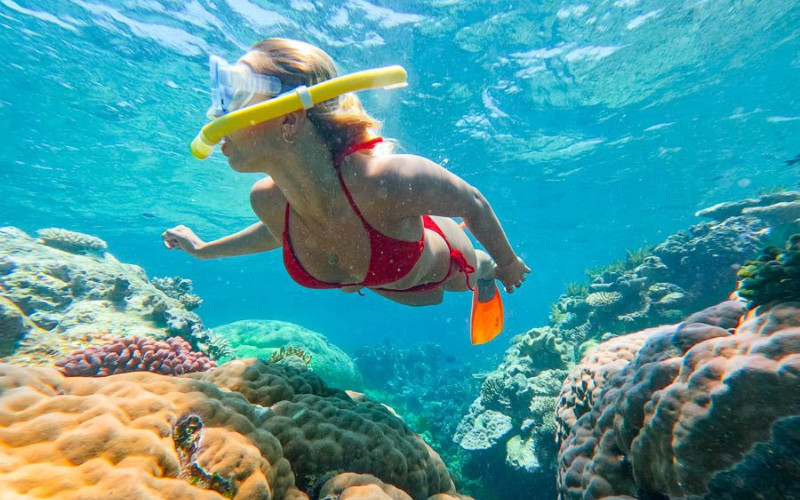
Most people spend months looking forward to their reef day – and then spend the actual morning in a mild panic, wondering whether they’ve forgotten something important. The good news is that reef tours from Cairns are genuinely well-run, the crew are experienced, and the Great Barrier Reef is far more beginner-friendly than people expect.
That said, a little preparation goes a long way. Cairns Discovery Tours fields these questions regularly. Marine stingers, sun exposure, and what happens if you feel unwell on the water – they all have straightforward answers. Knowing them before you board means less time worrying and more time watching a sea turtle glide past three metres below you. This guide covers the real safety essentials for visiting the Great Barrier Reef from Cairns.
Listen to the safety briefing – and actually listen
Every reef tour includes a safety briefing before anyone enters the water. On most day tours, this happens on the boat while you’re still travelling to the reef. It covers how to use your snorkel equipment, where to swim, what marine life to be aware of, how to signal for help, and the boundaries of the snorkelling area.
It sounds obvious, but this is the single most important safety step of the day. The crew knows the specific site you’re visiting – the currents, the layout, the hazards. That briefing is not generic. Pay attention, and don’t be embarrassed to ask questions afterwards.
For a full walkthrough of how a typical reef day unfolds, see the guide to what to expect on a reef tour.
Marine stingers: what you need to know
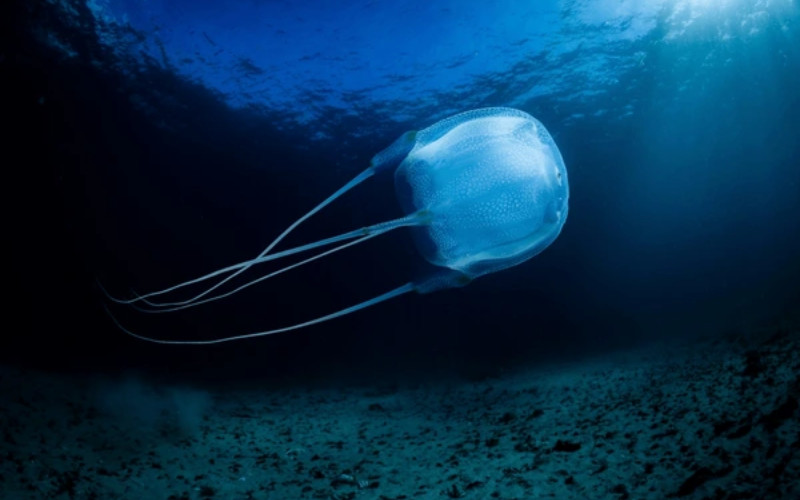
This is the topic people ask about most – and the one surrounded by the most myths. Here’s what’s actually true.
When is stinger season?
Stinger season in Tropical North Queensland generally runs from November through to May, peaking between January and March. Two types of marine stingers show up during this window.
| Box Jellyfish | Irukandji | |
| Size | Up to 30cm bell, long tentacles | Tiny – about the size of a thumbnail |
| Where found | Shallow, near-shore, calm water (beaches, estuaries, mangroves) | Can be found further offshore, including at the outer reef |
| Peak months | November – May | January – March (though possible November – May) |
| Risk on outer reef tours | Low – much less common at the outer reef | Present during stinger season, though stinger suits significantly reduce risk |
Does stinger season mean you can’t visit the reef?
No. Reef tours operate year-round, and stinger season does not shut them down. What changes is the protective gear.
During stinger season, all snorkellers are provided with a full-body lycra stinger suit – covering arms, legs, and neck – as standard equipment on reef tours from Cairns. These suits do a great job of keeping stingers off your skin. You’ll be expected to wear one during the season, and any operator worth booking with will hand them out as a matter of course.
Outside stinger season (roughly July to October), suits are still available, and many visitors wear them anyway for sun protection.
For a deeper look at stinger season timing and what it means for your trip.
You may also like: Stinger season in Cairns: what it actually means for your swim plans
What if you’re stung?
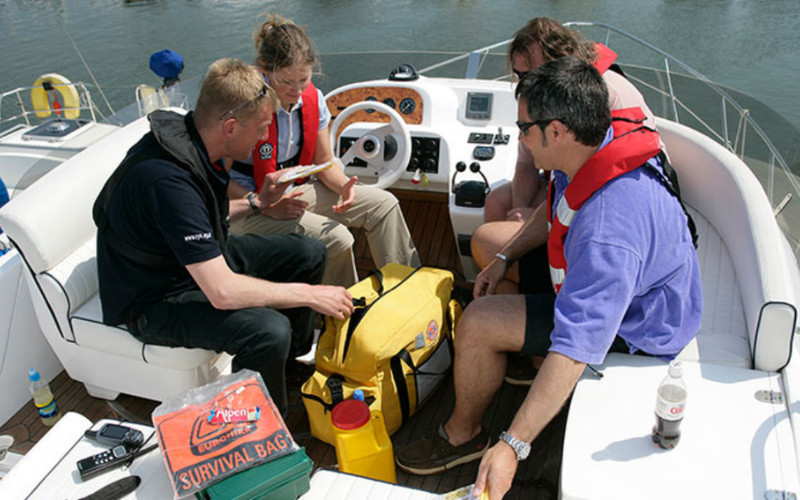
The crew on all reef tours carry first aid equipment, including vinegar, which is the recommended first treatment for box jellyfish stings – it stops the stinging cells from firing and prevents more venom from being released. Do not rub the affected area – get out of the water calmly and alert the crew immediately.
Irukandji stings don’t always show up straight away. Symptoms can hit 20 to 30 minutes later, so keep an eye out for:
- Severe lower back pain
- Nausea and vomiting
- Sweating and racing heart
- A strong feeling of anxiety or dread (this is a real, documented symptom – not just nerves)
- Muscle cramps or spasms
If you notice any of these after snorkelling, tell the crew straight away. Don’t wait it out – they’ll know what to do.
Sun safety on the reef
The tropical sun up here is not the same as a sunny day at home. This close to the equator, the UV is fierce even on overcast days, and being on the water makes it worse – the surface bounces it right back up at you while you’re snorkelling.
A few hours on the reef without proper sun protection will leave you genuinely burnt. Here’s what actually works:
- Reef-safe sunscreen – regular sunscreens often contain chemicals that damage coral. Look for a mineral-based version (zinc oxide or titanium dioxide on the label) and apply it before you leave your accommodation, not on the boat – it needs time to soak in.
- Stinger suit or rashie – the best sun protection on the water is coverage, not sunscreen. A stinger suit or rash vest protects everything it covers without any reef impact at all.
- Hat and sunglasses – for the boat ride out and back, and any time you’re on deck between snorkels.
- Hydration – you won’t feel like you’re sweating in the water, but you are losing fluid. Drink water regularly throughout the day.
- Lip balm with SPF – lips are often the last thing people think of, and one of the first things to burn.
Snorkelling safety: practical tips for the water
Know your ability and be honest about it
Before you board, the crew will often ask whether you’ve snorkelled before and whether you’re a confident swimmer. Answer honestly. This isn’t a gate – it’s how the crew works out where to position you, what equipment to give you, and whether to pair you with someone in the water.
If you’re a nervous swimmer, ask for a flotation noodle or snorkel vest. These are standard equipment on every tour and are used by more people than you’d think.
Swim with a buddy
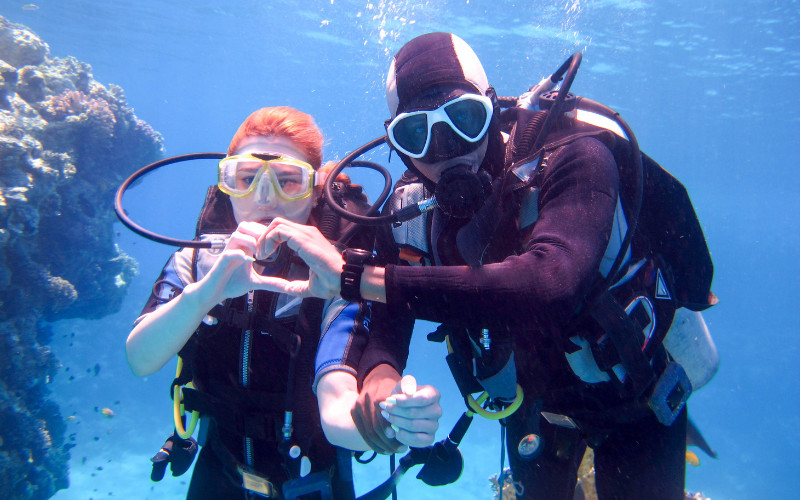
Always snorkel with at least one other person nearby. The reef looks very similar in every direction, and it’s surprisingly easy to drift without noticing. A buddy keeps you oriented and means someone is close by if you need help.
Watch your fins around coral
Fins give you a lot of propulsion – more than you’re used to if you’re new to snorkelling. In shallow sections of the reef, a single careless fin kick can damage coral that took decades to grow. Keep your fins angled slightly upward when you’re near the bottom, and hover rather than stand if you need to stop.
Equalise early if you’re free diving
If you want to duck-dive below the surface to get a closer look, equalise the pressure in your ears early and often – before you feel discomfort, not after. Pinch your nose through your mask and gently blow, or swallow and yawn. Descending with blocked ears is the most common cause of ear pain on reef tours and is entirely avoidable.
Getting back on the boat
Most reef day tour vessels have a swim platform at the back and crew in the water to assist. Remove your fins before climbing the ladder – you’ll have somewhere to hang them up. If you’re tired, let the crew know.
Seasickness: how to avoid it
The outer reef is 50-80 kilometres offshore. On most days, the water is relatively calm, but conditions vary – and if you’re prone to motion sickness, being on a boat for 90 minutes each way is worth preparing for.
The most effective approach
| Tip | Detail |
| Take medication early | Seasickness tablets work best when taken 30-60 minutes before departure, not after symptoms start. Options include Kwells, Travacalm, or behind-the-counter patches. |
| Eat a light breakfast | Don’t travel on an empty stomach. Dry toast, fruit, or cereal works well. Don’t overdo it. |
| Sit towards the middle | The centre of the boat moves the least. Avoid the stern in choppy conditions. |
| Stay on deck | Fresh air and a fixed horizon are your friends. Going below to a cabin usually makes things worse. |
| Avoid screens and reading | Looking at a phone or a briefing booklet while the boat is moving is a reliable way to feel unwell. |
If you do feel unwell on the water, tell a crew member. They carry anti-nausea medication and can often help. Most people find that once they’re in the water and snorkelling, any nausea passes quickly.
Our team at Cairns Discovery Tours can also advise on which operators use larger, more stable vessels – worth asking about if seasickness is a genuine concern for your group.
Diving safety: the 24-hour no-fly rule
If you take an introductory or certified scuba dive on your reef trip, you can’t fly for 18 to 24 hours afterwards. That includes commercial flights, scenic flights, and even hot-air balloon rides, anything that takes you to a high altitude.
The short version: when you dive, your body absorbs nitrogen under pressure. If you fly too soon, that nitrogen can form bubbles in your bloodstream – and that’s a medical emergency you genuinely don’t want. The buffer gives your body time to off-gas safely.
Worth thinking about when you’re planning your itinerary. If you’ve got a flight the next morning, stick to snorkelling (no restrictions at all) or move your reef day earlier in the trip.
Reef etiquette: protecting the reef while you’re on it
Safety on the reef isn’t only about you. The Great Barrier Reef is a World Heritage-listed ecosystem, and what visitors do in the water genuinely matters to its long-term health.
| Rule | Why It Matters |
| Don’t touch the coral | Coral is a living organism. Even brief contact can damage or kill polyps, and some corals take decades to grow a few centimetres. Touching also transfers oils and bacteria from your skin. |
| Don’t chase or corner marine life | Turtles, reef sharks, rays, and fish all have their own space. The best encounters happen when you hold still and let the animal approach. Chasing stresses them and usually ends the encounter faster. |
| Don’t feed the fish | Feeding disrupts natural behaviour, attracts species in unnaturally high numbers, and can cause aggressive behaviour towards snorkellers. |
| Don’t take anything from the reef | No shells, no coral, no souvenirs. Removing anything from the Great Barrier Reef Marine Park is illegal under Australian law and carries significant penalties. |
A quick pre-departure checklist
Before you leave your accommodation on reef day:
- Apply reef-safe sunscreen (zinc-based) to all exposed skin
- Take any seasickness medication 30-60 minutes before departure
- Pack a hat, sunglasses, and a light layer for the boat
- Bring a refillable water bottle
- Check what’s included in your tour – most provide snorkel gear, stinger suits, and lunch
- Leave valuables at the hotel
- Check the departure time and the Reef Fleet Terminal location the night before
- If diving, confirm you’re not flying within 24 hours
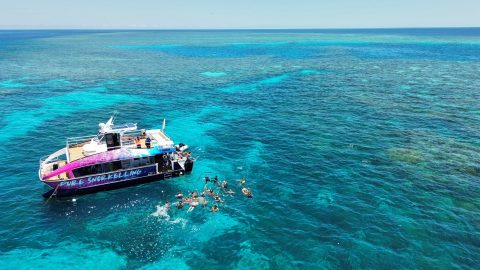
Explore Cairns
Great Barrier Reef
Explore one of the world’s greatest natural wonders with daily reef tours from Cairns. Snorkel, dive or cruise the coral with options to suit every age and ability.
See reef toursFrequently asked questions
Are marine stingers a danger on the outer reef?
During stinger season (November to May), Irukandji jellyfish can be present on the outer reef. All reef tours from Cairns provide full-body stinger suits during this period, which do a good job of keeping stingers off your skin. Outside stinger season, stingers on the outer reef are rare. Always wear the suit provided and follow the crew’s advice.
Is snorkelling safe if I can’t swim well?
Yes – with the right support. Flotation noodles and snorkel vests are standard equipment on reef tours and allow non-swimmers to snorkel comfortably in calm, supervised conditions. Tell the crew your swimming level before you board, and they’ll make sure you’re set up properly.
What sunscreen should I use on the Great Barrier Reef?
Use a mineral-based, reef-safe sunscreen – look for zinc oxide or titanium dioxide on the label. Regular sunscreens often contain chemicals that harm coral, so they’re best avoided on the reef. Apply before you leave your hotel, not on the boat.
Can I visit the reef if I’m pregnant?
Snorkelling is generally considered low-risk during pregnancy, but introductory scuba dives are not recommended. Check with your doctor before booking, and let the tour operator know at the time of booking so they can advise on what activities are appropriate.
What should I do if I feel unwell in the water?
Stay calm, signal to nearby crew or other snorkellers (a raised arm is the universal signal), and make your way to the boat or swim platform. Don’t try to push through feeling unwell in the water. The crew is trained for this and will help you out safely.
Are reef sharks dangerous?
Whitetip and blacktip reef sharks are commonly seen on the Great Barrier Reef and are not a threat to snorkellers. They are generally curious but cautious and will move away if approached. Don’t chase them, don’t corner them, and enjoy the encounter.
Ready to see the reef?
The Great Barrier Reef is well looked after, and the operators running these tours take safety seriously. Go in prepared, listen to the crew, and you’re set up for a brilliant day on the water.
With 30 years of local knowledge, Cairns Discovery Tours works with operators who prioritise both the experience and your safety. Explore Great Barrier Reef tours from Cairns, call us on (07) 4028 3567, or drop us a line to get in touch with our team. We know the operators, the reef sites, and what suits different groups, and we’re happy to help you find the right fit.