Skip to main content Skip to footer
Packing for a Great Barrier Reef tour is one of those things that takes ten minutes to get right and costs you a whole day if you don’t. There’s a particular kind of regret that hits when you’re an hour offshore and realise you’ve left the reef-safe sunscreen at the hotel, forgotten your seasickness tablets, or are now paying $25 for a hire towel at the pontoon.
The list is shorter than you’d think. Here’s exactly what to bring – and what you can safely leave behind.
The essential packing list at a glance
| Item | Notes |
| Swimwear | Wear it under your clothes – saves time on board |
| Reef-safe sunscreen | Standard sunscreen harms coral |
| Rashguard or long-sleeve swim shirt | Better than sunscreen alone for full-day coverage |
| Stinger suit | Provided by operators Nov-May; wear it every time |
| Towel | A quick-dry travel towel is ideal |
| Reusable water bottle | Most boats have refill stations |
| Hat and sunglasses | For time on deck between swims |
| Seasickness tablets | Take 1 hour before departure if prone |
| Waterproof camera or GoPro | With a charged battery and a spare memory card |
| Dry bag or zip-lock bags | For phone, wallet, valuables |
| Light change of clothes | For the return trip – something dry and comfortable |
| Cash or card | For optional extras, drinks, or upgrades on board |
| Prescription mask (if needed) | Hire is available on most tours |
| Dive certification card | For certified divers only |
What’s already provided on most tours
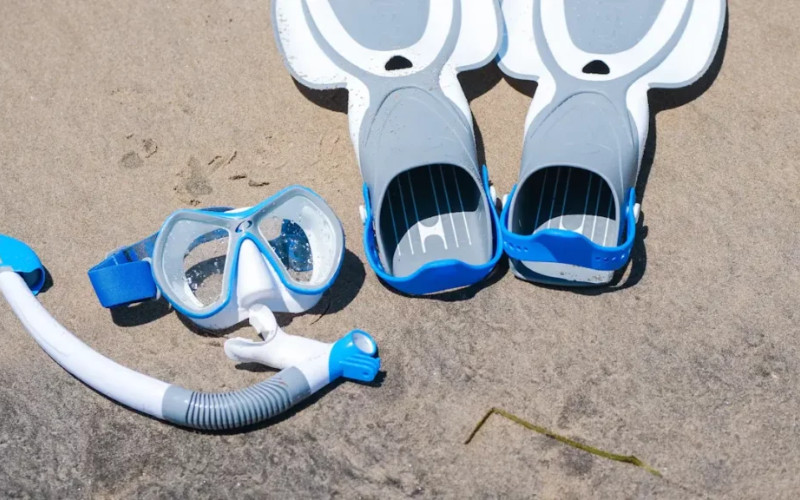
Before you overpack your bag, most reputable reef tours from Cairns include the following as standard:
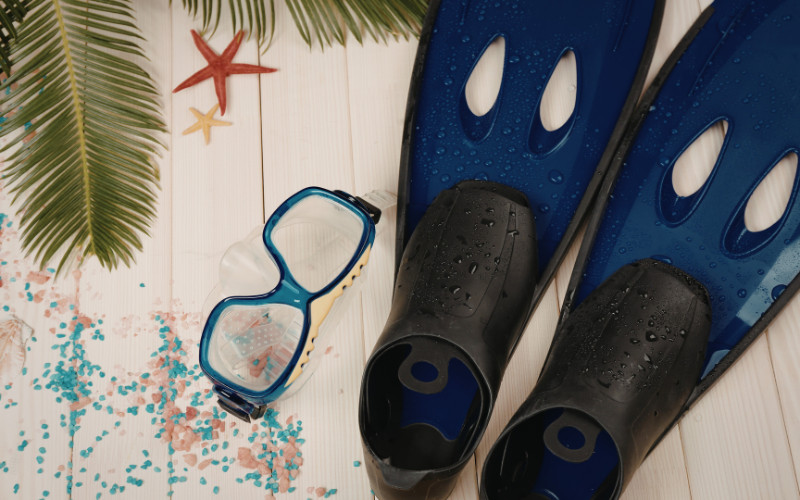
- Snorkelling equipment – mask, fins, and flotation vest
- Stinger suits (during stinger season, November to May)
- Lunch and light refreshments
- Tea, coffee, and water on board
- Basic reef briefing and marine guide
The Half Day Great Barrier Reef Tour is a good example: snorkelling gear, marine guide commentary, and afternoon tea are all included in the fare. Always confirm what’s included when you book, as it varies slightly between operators. If you’re unsure what a specific tour covers, get in touch with our team, and we’ll run through it with you.
Reef-safe sunscreen – why it matters
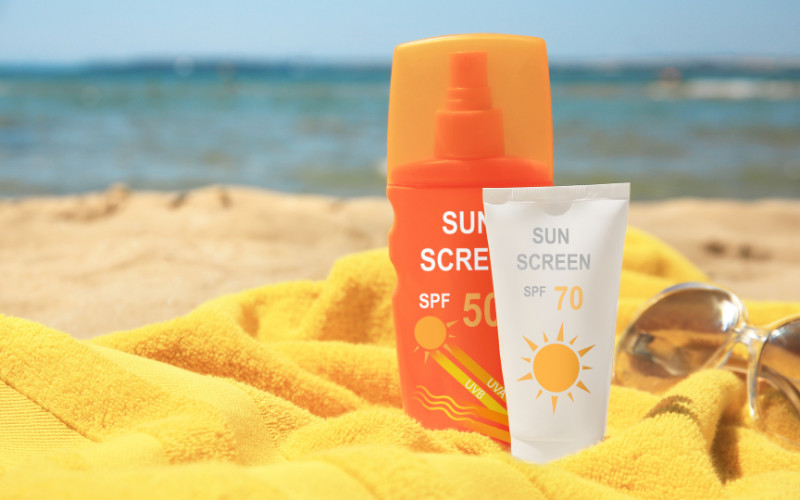
This is the one item that most people either forget or get wrong. Standard sunscreen – including many popular brands – contains chemicals like oxybenzone and octinoxate that are harmful to coral and marine life. On a World Heritage-listed ecosystem like the Great Barrier Reef, using the right sunscreen is one of the simplest things you can do to visit responsibly.
What to use instead:
- Mineral sunscreen – zinc oxide or titanium dioxide-based. These sit on top of the skin rather than absorbing into it, making them much safer for the reef
- SPF 50+ – the tropical sun is stronger than most people expect, even on overcast days
- Water-resistant formula – you’ll be in and out of the water all day
Apply reef-safe sunscreen at least 20 minutes before getting in the water, and reapply after each session to ensure ideal protection. Most tour operators also sell reef-safe sunscreen on board if you can’t find it beforehand.
Related reading: 5 reasons to visit the Great Barrier Reef
Sun protection beyond sunscreen
The reef sits in Tropical North Queensland, where UV levels are extreme. Sunscreen alone isn’t enough for a full day on the water.
- Rashguard or long-sleeve swim shirt – the single best piece of sun protection you can wear. A good rashguard covers your back, shoulders, and arms – the areas most exposed while snorkelling face-down in the water. Stinger suits worn during stinger season also provide full-body UV coverage
- Wide-brimmed hat – for time on deck. A cap with a back flap is ideal
- UV-protective sunglasses – polarised lenses reduce glare off the water and make it easier to see into the reef from the boat
What to wear during the day

Keep it simple. The ideal outfit for a reef tour day:
- Swimwear worn under light clothing (board shorts, a cotton shirt, or a sundress)
- Rashguard packed in your bag or worn over your swimmers
- Comfortable sandals or slip-on shoes – you’ll be taking footwear on and off all day
- A separate dry change of clothes in a bag for the return journey
Leave jewellery, watches, and anything you’d be upset to lose at your accommodation. Salt water and reef surfaces are not kind to valuables.
Seasickness – worth being prepared
Reef tours from Cairns travel 45-90 minutes offshore to reach the outer reef, depending on the operator and site. Even on calm days, some people find the open water crossing uncomfortable.
If you know you’re prone to motion sickness:
- Take seasickness tablets at least one hour before departure – not on the boat
- Choose a seat on the lower deck, closer to the waterline, if you feel unwell
- Stay on deck and focus on the horizon rather than going below
- Avoid heavy meals immediately before departure
- Ginger tablets or pressure-point wristbands are a gentler alternative to medication
The good news is that once you’re at the reef, the boat is generally stable and the day is excellent. It’s the crossing that catches people out.
Camera gear for the reef
The Great Barrier Reef is one of the most photographed underwater environments on the planet – and with good reason. A few tips:
- GoPro or waterproof action camera – the most practical option. Fits on your wrist or a head mount, handles saltwater, and shoots video as well as photos
- Underwater phone case – a budget-friendly option for above-water shots and shallow snorkelling, but not reliable in deeper water
- Hire on board – most operators offer underwater camera hire if you don’t own one. Check availability and cost when you book
- Charge everything the night before – dead batteries at the reef are a common and avoidable disappointment
- Bring a spare memory card – you will take more photos than you expect
Avoid touching the coral to get a closer shot. Even light contact can cause damage, and experienced guides will notice.
You may also like: best time to visit the Great Barrier Reef
Explore Cairns
Great Barrier Reef
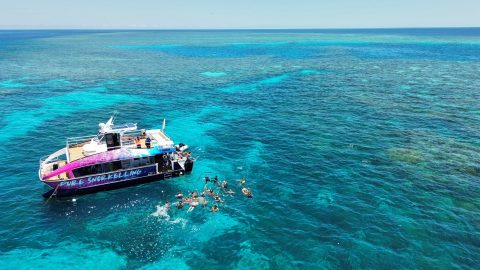
Explore one of the world’s greatest natural wonders with daily reef tours from Cairns. Snorkel, dive or cruise the coral with options to suit every age and ability.
See reef toursWhat to pack if you’re diving
For certified divers, add the following to your kit:
- Dive certification card (C-card) – operators are required to sight this before letting you dive. No card, no dive – even if you have your logbook
- Logbook – useful to have but not always required
- Personal dive computer – not essential as most operators provide equipment, but bring it if you own one
- Prescription dive mask – if you wear glasses or contacts, a prescription mask makes a significant difference. Check whether the operator offers a hire before buying
For introductory divers, everything is provided. You don’t need to bring anything dive-specific: just wear your swimmers and let the crew take care of the rest. If you’re considering trying a dive for the first time, our guide on Great Barrier Reef Snorkelling vs Diving walks through exactly what an intro dive involves and what it costs.
Packing light – what to leave behind
A reef tour isn’t a camping trip. Leave these at the hotel:
- Large bags or suitcases – storage space on boats is limited. A small daypack or beach bag is plenty
- Jewellery and watches – saltwater, sunscreen, and reef surfaces are not kind to them
- Expensive electronics – unless they’re waterproofed, they’re a liability
- Too much cash – most operators accept cards; bring enough for optional extras or a drink
Frequently asked questions
Do I need to bring my own snorkelling gear?
No. All reputable reef tours provide snorkelling equipment, including masks, fins, and flotation vests. If you have a prescription mask or prefer your own gear for hygiene reasons, you’re welcome to bring it.
Is reef-safe sunscreen available to buy in Cairns?
Yes – most pharmacies, supermarkets, and outdoor stores in Cairns stock reef-safe sunscreen. It’s also available on most reef boats if you forget, though it’s cheaper to buy beforehand.
What should I do with my valuables on the boat?
Most boats have secure storage or lockers. Leave anything valuable at your accommodation and bring only what you need. A small dry bag or zip-lock bag is useful for your phone and wallet while you’re in the water.
Should I eat before a reef tour?
A light meal is recommended – something substantial enough to keep you going but not so heavy that it contributes to seasickness. Avoid greasy or very rich food on the morning of your tour.
Do I need to bring my own towel?
A compact, quick-dry travel towel takes up almost no space and is worth packing regardless. The majority of hotels in the area provide beach towels for the day.
What do I wear if I’m not swimming?
Light, breathable clothing is ideal for time on deck. A hat, sunglasses, and a long-sleeve shirt will keep you comfortable between sessions or if you prefer to watch from the boat.
Ready to book your reef tour?
Packing right is the easy part – picking the right tour takes a little more thought. With decades of local knowledge, the Cairns Discovery Tours team knows which reef experiences suit which travellers.
Browse Great Barrier Reef tours from Cairns, call our team on (07) 4028 3567 or drop us a line – we’ll match you with the right operator for your group, budget, and experience level.