Skip to main content Skip to footer

Cairns is one of the most straightforward destinations in Australia to visit. The city is compact, the major attractions are well-organised, and most of what makes the region special is accessible without complicated planning or excessive costs. But a few things genuinely shape whether you have a good trip or a great one – understanding the weather patterns, knowing which areas are safe for swimming, and packing smart for the tropical climate all make a real difference.
This guide covers the practical essentials that will help you make the most of your Cairns visit – from when to go, to how to get around, to the local knowledge that makes your trip smoother and more enjoyable.
What you need to know before you arrive:
- Visit May to October if you can – The dry season delivers clear skies, comfortable 23-27°C days, and no marine stingers. It’s peak season for a reason.
- Don’t expect a beach in the CBD – The city foreshore is a tidal mudflat. The Esplanade Lagoon is where everyone swims, and it’s excellent. Ocean beaches are 15-25 minutes north if you want the real thing
- November to April requires stinger awareness – Marine stingers show up during the wet season. Swim in the stinger nets at the Northern Beaches or stick with the lagoon.
- Book reef trips early – June-September fills up fast. If you’re visiting then, book 2-3 weeks ahead.
- A hire car changes what you can do – The city is walkable, but a car opens up Hartley’s Crocodile Adventures, the Northern Beaches, Atherton Tablelands, and Port Douglas without waiting for buses
- 4-5+ days is the sweet spot – That’s enough time for a reef trip, Kuranda, the Northern Beaches, lazy Esplanade mornings, and the markets. Add more days if you want to add the Daintree or Tablelands
Essential experiences if you only have a few days
These are the experiences that consistently define a first trip to Tropical North Queensland, and most can be done in a few days if you plan strategically.
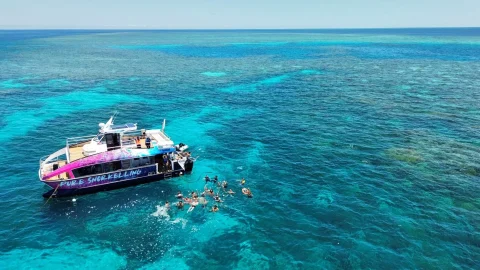
Great Barrier Reef day trip – Snorkelling or diving on the outer reef is non-negotiable for most visitors. This single day transforms how people understand the natural world. Great Barrier Reef tours range from $195-$320 depending on the operator and destination.

Kuranda via Skyrail and Scenic Railway – Rainforest canopy gliding followed by mountain gorges and tunnels, is genuinely one of Australia’s great experiences. Combining both transport options (Skyrail one way, train the other) is far more satisfying than doing either alone.

Morning at Rusty’s Markets, afternoon at the Esplanade Lagoon – Free, local, and genuinely enjoyable. Rusty’s operates Friday-Sunday with fresh tropical fruit at market prices. The lagoon is open daily, lifeguarded, and stinger-free year-round.
Day on the Northern Beaches – Palm Cove or Trinity Beach for swimming, lunch, and a proper slow-down. These beaches have stinger nets during stinger season and are far more appealing than the city foreshore.
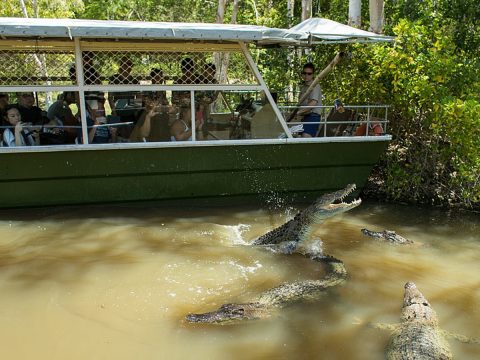
Hartley’s Crocodile Adventures – 40 minutes north of Cairns with crocodile feeding shows, wildlife encounters, and daily animal interactions unlike anything else in the region.

Explore Cairns
Reef Helicopter Tours
See the Great Barrier Reef from breathtaking altitude on a scenic helicopter flight from Cairns. Combine aerial views with snorkelling and reef pontoon visits for the ultimate reef experience.
See helicopter toursWhen to visit Cairns
The best time to visit Cairns depends on what you prioritise – weather, crowds, or budget. Each season has genuine appeal, though timing does shape your experience.
Dry season (May to October) is the peak season for good reason. Humidity drops, skies are consistently clear, and conditions for reef trips and outdoor activities are at their best. Temperatures sit comfortably between 23°C and 27°C during the day. This is also whale watching season, with humpback whales migrating through the region between June and September.
The trade-off is crowds and higher prices. June and September school holiday periods fill up fast – book accommodation and popular tours early.
Wet season (November to April) brings heat, afternoon downpours, and lush, vivid green scenery. Mornings are often fine and sunny, with rain arriving in the afternoon and clearing overnight. The wet season coincides with marine stinger season, when box jellyfish and Irukandji can be present in coastal waters.
The upside is significant: lower accommodation prices, fewer crowds, and a tropical atmosphere that’s hard to find anywhere else. The Atherton Tablelands waterfalls run at full capacity, and the Daintree Rainforest is at its most spectacular.
Shoulder season (April-May and October-November) offers a middle ground – drying out after the wet or warming up before it. Often the best value timing for those with flexibility.
Related reading: Best time to travel to Cairns
Safety in Cairns
Cairns is a safe and welcoming city. Most incidents that affect visitors relate to the region’s natural environment rather than any security concern. Knowing the hazards is straightforward and makes all the difference.
Marine stingers
During stinger season (November to May), box jellyfish and Irukandji can be present in coastal waters. Wear a stinger suit, follow local signage, and always listen to lifeguard advice. During this period, swim only within the stinger net enclosures at patrolled Northern Beaches, or use the Cairns Esplanade Lagoon, which is stinger-free year-round. Outside stinger season, ocean swimming is generally safe and the nets come down.
Related reading: Cairns beaches swimming safety
Crocodiles
Saltwater crocodiles are part of life in Far North Queensland and should be taken seriously at all times of year. Never swim in rivers, estuaries, creeks, or any murky water in the region. Always follow crocodile warning signs, and be especially cautious near river mouths and in the Daintree area.

The well-patrolled Northern Beaches and the Esplanade Lagoon present very low crocodile risk – but the rule is simple: if there’s a warning sign, don’t enter the water.
Sun safety
Tropical sun in Cairns is intense year-round. Applying SPF 50+ sunscreen every two hours if you’re outdoors is essential. A wide-brimmed hat and UV-protective rash vest are worth packing, particularly for reef trips and beach days. Sunscreen burns happen fast here – much faster than in southern Australian cities.
Hiking and bush safety
Always check the weather before heading out hiking and bring water and sunscreen. If you’re venturing beyond the city, be mindful of wildlife, especially snakes and spiders. If bitten, seek immediate care. Stay on marked trails, tell someone your plans, and carry more water than you think you’ll need – the tropical humidity makes exertion more dehydrating than it appears.
Travel insurance
Purchase good travel insurance. Travel insurance protects you against illness, injury, theft, and cancellations. Check that your policy covers specific activities you plan to undertake, such as diving or hiking. Standard travel policies often have exclusions for adventure activities – confirm before you book any diving or white water rafting.
For detailed safety information, see our Cairns safety tips guide
What to pack for Cairns
Cairns requires less luggage than most destinations. The general principle: pack light, pack for the tropics, and add layers only if you’re visiting in the dry season.
Clothing essentials:
- Lightweight, breathable clothing – cotton and linen work well in the heat
- Swimwear
- A light rain jacket or poncho for wet season afternoon showers
- A light fleece or cardigan for air-conditioned restaurants, shops, and transport (venues run AC cold)
- Closed-in shoes for walking and tours, plus thongs or sandals for the beach
- Men’s board shorts work as walk shorts. For women, a sarong or pashmina works for cooler evenings and over bathers, and keeps you warm on cold planes
Sun and reef protection:
- SPF 50+ sunscreen (bring more than you think you’ll need – it’s expensive to buy locally)
- Wide-brimmed hat
- UV-protective rash vest or stinger suit (most reef operators provide or hire these)
- Sunglasses with UV protection
- Reef-safe (mineral-based) sunscreen for Great Barrier Reef visits
Health and practical items:
- Insect repellent
- Any prescription medication (plus extra in case of delays)
- Reusable water bottle – staying hydrated is non-negotiable in the tropical heat
What to leave behind:
- Excessive clothing – Cairns is casual, and you’ll wear the same lightweight pieces repeatedly
- Anything valuable you’d be upset to lose on reef trips or adventure activities
Our What to pack for Cairns guide breaks down exactly what you need and what you can skip.
Getting around Cairns
How you move around Cairns depends on what you’re planning to do. The city centre is walkable, but exploring the region requires different approaches.
Hired car: This is the most flexible option, especially for day trips to Hartley’s Crocodile Adventures, the Northern Beaches, the Atherton Tablelands, or Port Douglas. Parking in Cairns CBD is generally easy and affordable. Most attractions along the Captain Cook Highway are difficult to reach without a car.
Public bus: TransLink bus routes service Cairns CBD and extend north to Palm Cove (Route 110). Public bus fares are $1 to $2.50 per journey – genuinely affordable for getting between the city and the Northern Beaches without a car.
Taxis and rideshare: Uber operates in Cairns. Taxis are available from the Cairns CBD and airport. Rideshare is generally cheaper for short city trips; taxis are more practical for airport runs with luggage.
Shuttle transfers: Most tour operators include hotel pick-up and drop-off, which removes the need for a car on dedicated tour days. This is the most practical approach if you’re staying in the CBD and doing organised day trips.
Walking: The Cairns CBD is compact and highly walkable. The Esplanade, marina precinct, night markets, and most city restaurants are all within easy walking distance of major hotels.
Booking tours in Cairns
A few practical principles make a real difference when booking your Cairns experiences.
Book ahead for peak season. Booking tours in advance is especially important during peak seasons or on a tight schedule to avoid the risk of tours being fully booked. June to September is peak season in Cairns – popular reef trips, Skyrail, and the Tully River can sell out days in advance.
Confirm pickup times 24 hours before. For any tour with hotel pick-up, reconfirm your departure time the day before – times can shift slightly due to seasonal sunrise changes, water release schedules, or group logistics.
Know the difference between reef trips. Not all reef trips go to the same part of the reef, and the experience varies significantly between operators and vessels. Outer reef day trips take you to the healthiest, most vivid sections of coral – worth the extra time and cost over nearshore options.
Combine tours strategically. The hot air balloon returns you to Cairns by 9:30 am, pairing well with an afternoon reef trip. The Skyrail up and the Kuranda Scenic Railway back is more satisfying than doing either alone. Good combinations often come with package pricing that saves money.
Money and budgeting
Understanding costs and payment options helps you plan your budget effectively and avoid surprises.
Currency: Australian Dollar (AUD). Credit and debit cards are accepted almost everywhere. While cash is still used in Cairns, many stores, restaurants, and hotels prefer card payments. Some ATMs charge fees for foreign cards,, make sure to check with your bank before travel and consider a travel debit card that avoids foreign transaction fees.
Tipping: Not expected in Australia and never obligatory. It is appreciated for exceptional service – rounding up a restaurant bill or leaving a tip for a tour guide who went above and beyond is a genuinely nice gesture, but you will not receive poor service for not tipping.
The reef levy: A mandatory Environmental Management Charge applies to all reef trips. It contributes to reef conservation and management. Tour operators include this in the advertised price.
Free things to do in Cairns
- The Cairns Esplanade Lagoon – lifeguarded saltwater swimming, completely free
- Muddy’s Playground and splash park
- Esplanade boardwalk and free morning fitness classes
- Cairns Art Gallery one of Australia’s leading public galleries recognised for the excellence of its programs, exhibitions and collections relating to the unique heritage and living culture of North Queensland.
- Free public BBQ plates along the Cairns Esplanade – useful for self-catering meals
- Rusty’s Markets (Friday to Sunday) – fresh tropical fruit at market prices
Money-saving tips
- Shop for fresh tropical fruit and cheap snacks at Rusty’s Markets (Friday-Sunday) instead of using supermarkets
- Book reef and Rainforest tours as packages – combination pricing is consistently better value than individual bookings
- Eat lunch rather than dinner at good restaurants – the same kitchen, the same food, lower prices
- Stay in the Cairns CBD rather than Palm Cove or Port Douglas if budget is a consideration – the Esplanade, beaches, and day trips are all easily accessible from the city
How long to spend in Cairns
Three to seven days is the sweet spot for visiting Cairns, though even 2-3 days allows for a solid experience.
2 to 3 days: Great Barrier Reef day trip, Daintree Rainforest Tour, Esplanade and Lagoon, or a Northern Beach visit.
4 to 5 days: Add Kuranda via Skyrail and Scenic Railway, Hartley’s Crocodile Adventures, Palm Cove day trip.
6 to 7 days: Add Daintree and Cape Tribulation, Atherton Tablelands waterfalls, hot air balloon, white water rafting on the Tully River.

Explore Cairns
Daintree Rainforest
Journey into the world’s oldest tropical rainforest on a guided Daintree tour. Visit Mossman Gorge, cruise the Daintree River and see where the rainforest meets the sea at Cape Tribulation.
See Daintree toursCairns also works well as a base for exploring the broader region. If you have the time, even a couple of nights in Port Douglas or the Daintree at the end of your stay adds a different dimension to the trip.
Once you’ve settled on your timeframe, the next step is deciding which experiences matter most to you. Browse our full range of Great Barrier Reef tours, Kuranda day trips, Hartley’s Crocodile Adventures, island adventures, Cairns Tours and Daintree experiences to see what resonates. Then reach out – we’ll help you put together a trip that actually matches your interests and time, rather than forcing you into a generic itinerary.
Frequently asked questions
Is Cairns safe to visit?
Yes. Cairns is a safe and welcoming destination. The main hazards are environmental – sun, marine stingers in season, and crocodiles in natural waterways – all of which are manageable with straightforward precautions.
Can you swim at Cairns beaches?
The Cairns CBD foreshore is mudflat and not suitable for swimming. The Northern Beaches (Trinity Beach, Palm Cove, Ellis Beach) are the nearest swimming beaches, 15-25 minutes north. During stinger season (November to April), swim within stinger net enclosures only. The Esplanade Lagoon in the city is safe and stinger-free year-round.
Do you need a car in Cairns?
Not for the city itself, which is walkable. Local Sunbus is 50 cents. Hire cars are recommended for day trips to the Northern Beaches, Atherton Tablelands and Port Douglas. Most tour operators offer hotel or locations close by for pick-up and drop-off for organised day trips.
When is stinger season in Cairns?
Stinger season runs from November to April. During this period, swim within stinger net enclosures at patrolled beaches and consider wearing a stinger suit. The Cairns Esplanade Lagoon is stinger-free year-round.
Is tipping expected in Cairns?
No. Tipping is not expected in Australia. It is appreciated for excellent service but never obligatory.
What is the reef levy?
The Environmental Management Charge (reef levy) is a mandatory fee of approximately $6.77 AUD per person that applies to all Great Barrier Reef tours. It contributes to reef conservation and management. Operators include this in the advertised price.
Plan your Cairns trip with confidence
Cairns genuinely rewards visitors who come prepared with basic knowledge about the region. Understanding when to visit, how to move around, and what safety precautions matter makes your trip smoother and more enjoyable.
The Cairns Discovery Tours team has 30+ years of experience helping visitors navigate Tropical North Queensland. We know which operators deliver the best experiences, how to structure days so you see what matters most, and the practical details that smooth out your stay. We live and work here and we love it.
Browse our Great Barrier Reef tours, Kuranda day trips, island adventures, and Daintree experiences, or give us a call on (07) 4028 3567 to talk through your Cairns itinerary. You can also send us an email, and we’ll help you plan a trip that genuinely works for your interests and timeframe.