
Stinger season in Cairns runs from November to May, coinciding with the tropical wet season when box jellyfish and irukandji populate coastal waters. During these months, swimming at beaches without stinger nets becomes risky, and most locals and informed visitors either avoid unprotected waters entirely or wear full-body stinger suits when entering the ocean.
What you need to know
- Stinger season runs from November to May: peak risk is December through March when water temperatures and jellyfish numbers are at their highest.
- Reef tours are unaffected: all Great Barrier Reef tours operate year-round with stinger suits provided free of charge as standard equipment.
- Safe swimming options exist year-round: the Esplanade Lagoon is completely stinger-free, stinger net enclosures are maintained at beaches like Palm Cove and Trinity Beach, and freshwater swimming holes in the Atherton Tablelands are always safe.
- Two species to know about: box jellyfish cause immediate, intense pain. Irukandji are tiny, nearly invisible, and cause delayed symptoms that require hospital treatment. Both are serious.
- Stinger season doesn’t cancel your trip: it requires awareness and the right precautions – not avoidance of Cairns entirely.
What are stingers?
Stingers are the local term for venomous jellyfish found in tropical waters around Cairns. Two main species of concern are box jellyfish (Chironex fleckeri) and irukandji (Carukia barnesi and related species). Both deliver painful and potentially dangerous stings, though they differ significantly in size, behaviour and the symptoms they cause.
Box jellyfish
Box jellyfish are the larger and more visible threat. They have a transparent, cubic bell up to 30cm in diameter with up to 15 tentacles extending up to 3 metres from each corner. These tentacles contain millions of nematocysts (stinging cells) that fire on contact with skin, injecting venom that causes immediate, intense pain.
Box jellyfish actively hunt for prey using surprisingly sophisticated vision – they have 24 eyes grouped in four clusters, allowing them to navigate and avoid obstacles. They’re most commonly found in shallow, calm waters near beaches, particularly around river mouths and estuaries where their prey (small fish and crustaceans) congregate.
Irukandji jellyfish
Irukandji are far smaller – the bell measures just 1-2cm across with thread-like tentacles up to 1 metre long. Their tiny size and near-total transparency make them virtually impossible to see in water.
Despite their size, irukandji deliver a more insidious threat. The sting itself causes only mild initial pain, but 5-40 minutes later, victims develop Irukandji syndrome – severe lower back pain, muscle cramps, nausea, vomiting, sweating, anxiety, and in serious cases, hypertension and cardiac complications requiring hospitalisation. Unlike box jellyfish, irukandji are found in both coastal and offshore waters, making them harder to avoid through location alone.
Key differences between the two
The key difference: box jellyfish stings cause immediate, localised pain at the sting site with visible tentacle marks on the skin. Irukandji stings cause delayed, systemic symptoms affecting the entire body. Both require medical attention, but irukandji stings always warrant hospital observation due to the unpredictable severity of symptoms.
Marine stingers in Cairns also include less dangerous species like bluebottles (Portuguese man o’war) and minor jellyfish that cause painful but not life-threatening stings. These appear year-round but increase during stinger season. While uncomfortable, their stings don’t require the same level of medical urgency as box jellyfish or irukandji.
When is stinger season in Cairns?
Stinger season officially runs from November through May, aligning with the tropical wet season when warmer water temperatures and increased rainfall bring jellyfish closer to shore. Peak stinger activity occurs from December through March when water temperatures reach 28-30°C and monsoonal rains flood nutrients into coastal waters.
The November start date reflects when box jellyfish begin appearing in significant numbers near beaches. Marine stinger nets go up at patrolled beaches in early November, and warning signs appear at unprotected swimming locations. By December, both box jellyfish and irukandji are consistently present in coastal waters, making unprotected swimming genuinely risky.
May marks the official end of stinger season, when cooling water temperatures prompt jellyfish to move back to deeper waters. Stinger nets typically come down in late May or early June, and beaches return to unprotected swimming. However, “end of season” doesn’t mean instant disappearance – occasional stingers may still appear in June, particularly during unseasonably warm weather.
Stingers outside the official season
Outside stinger season (June through October), the risk of box jellyfish and irukandji drops dramatically but doesn’t disappear entirely. Swimmers occasionally encounter stingers during these months, particularly in unusually warm years or in areas near river mouths. The official stinger-free months represent very low risk rather than zero risk.
What drives stinger presence
Water temperature is the primary driver of stinger presence. Box jellyfish prefer water above 26°C, while irukandji tolerate slightly cooler temperatures. When sea surface temperatures drop below 24°C (typically July through September), stinger encounters become rare. This is why the Cairns dry season (May through October) is considered safe for unprotected beach swimming.
Weather patterns also influence stinger distribution. Heavy rain and flooding push freshwater and nutrients into coastal areas, creating ideal conditions for jellyfish blooms. Following significant wet season rainfall, stinger numbers often spike in estuaries and near creek mouths. Calm, warm days with minimal wind and current allow stingers to concentrate near shore, while rough weather and strong currents disperse them across wider areas.
The six-month stinger season isn’t arbitrary – it reflects decades of observation and incident data showing when risk genuinely increases. Swimming unprotected during these months isn’t automatically dangerous, but it’s statistically riskier than swimming outside stinger season.
Where are stingers found?
Stingers populate specific environments within the Cairns region, and understanding their preferred habitats helps you make informed decisions about where to swim during stinger season.
Coastal beaches and bays
Coastal beaches and bays are the highest-risk areas for box jellyfish during stinger season. They prefer shallow, calm, protected waters where visibility is good, and prey is abundant. Trinity Beach, Yorkeys Knob, Holloways Beach, Machans Beach, and beaches north toward Palm Cove all fall within prime box jellyfish habitat during November through May. These beaches have sandy bottoms, gentle wave action, and warm water – exactly what box jellyfish favour for hunting.
River mouths and estuaries
River mouths and estuaries carry particularly high stinger risk. Barron River mouth, Mulgrave River, Russell River, and other waterways flowing into the ocean create brackish zones where freshwater meets saltwater. These areas attract small fish and marine life that jellyfish prey upon, concentrating stingers near the outflow. Swimming near creek mouths or river outlets during stinger season is strongly discouraged, even with stinger suits.
Offshore and reef waters
Irukandji prefer deeper offshore waters but drift into coastal areas during certain conditions. Unlike box jellyfish that actively hunt near shore, irukandji are planktonic – they drift with currents rather than swimming purposefully. This makes their presence more unpredictable. They can appear anywhere from shallow beaches to outer reef sites, though they’re more commonly encountered in water deeper than 5 metres.
Offshore islands like Green Island and Fitzroy Island sit within the irukandji range year-round, which is why reef tour operators provide stinger suits during stinger season, regardless of destination.
Great Barrier Reef locations
Offshore reef sites – where full-day and half-day reef tours operate – have stingers present during the season, particularly irukandji. However, the risk at outer reef sites is lower than coastal beaches for several reasons: stronger currents disperse jellyfish across wider areas, reducing concentration; deeper water means less jellyfish density per cubic metre; and reef tour operators provide full-body stinger suits included in tour prices. The combination of natural dispersion and protective equipment makes reef snorkelling safer than beach swimming during stinger season.
Freshwater alternatives
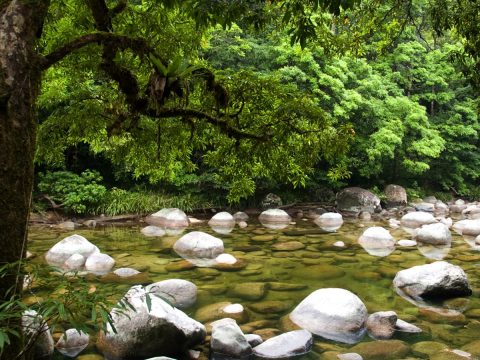
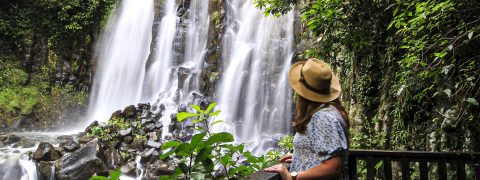
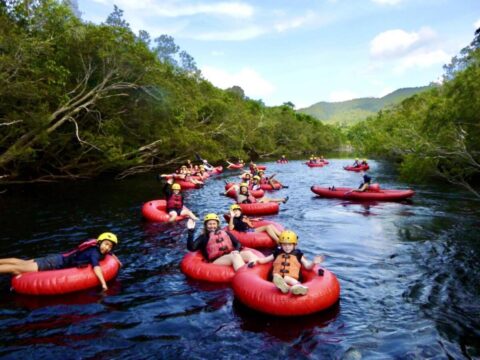
Freshwater swimming holes – places like Behana Gorge, Crystal Cascades, Josephine Falls, and Millaa Millaa Falls in the Atherton Tablelands – are completely stinger-free year-round. Marine jellyfish can’t survive in freshwater, making inland swimming holes the perfect alternative during peak stinger season. Many Cairns locals shift to the tablelands to swim during December through March, then return to the beaches once the season ends.
Stinger-free locations
The Esplanade Lagoon is completely stinger-free. This artificial saltwater swimming pool on the Cairns waterfront is filled with filtered, treated water and physically separated from the ocean. No jellyfish can enter, making it the safest swimming option during stinger season. The lagoon remains open year-round with no stinger risk at any time.
Stinger enclosures at beaches like Palm Cove, Trinity Beach, and Clifton Beach provide protected ocean swimming during stinger season. These netted areas use fine mesh nets staked into the seabed, creating barriers that prevent box jellyfish from entering. The nets have a small mesh (typically 5mm or less) that blocks jellyfish tentacles while allowing water flow. Swimming inside these enclosures during stinger season is generally safe from box jellyfish, though no enclosure can guarantee 100% protection – occasionally, small jellyfish or torn nets allow stingers through.
Enclosures don’t protect against irukandji. The nets are designed to stop box jellyfish (larger, cube-shaped bell that can’t pass through mesh), but irukandji are small enough to potentially pass through or around the netting. Serious swimmers and regular beach users often wear stinger suits even inside enclosures for complete protection.

Explore Cairns
Cairns City Tours
Discover the best of Cairns with sightseeing tours, sunset river cruises and wildlife encounters. From cultural attractions to hot air balloon flights, there is something for every traveller.
See city toursHow to swim safely during stinger season
Swimming safely during stinger season comes down to three strategies: choosing stinger-free locations, using stinger nets or enclosures, or wearing appropriate protective clothing.
Swim at stinger-free locations
The Esplanade Lagoon in central Cairns provides the easiest stinger-free swimming option. This large, shallow artificial lagoon sits right on the waterfront with lifeguards on duty, free entry, and facilities including showers, toilets, and shaded areas. The water is filtered and treated, completely separate from the ocean, making it genuinely stinger-proof. The lagoon is particularly good for families with young children – the depth is shallow throughout, and there are no waves, currents, or marine life to worry about.
Hotel pools offer another obvious stinger-free option if you’re staying at an accommodation with pool facilities. While less exciting than ocean swimming, pools let you cool off safely without any marine hazards.
Freshwater swimming holes in the Atherton Tablelands and surrounding rainforest provide natural stinger-free swimming with the bonus of spectacular scenery. Popular spots include:
- Josephine Falls (45 minutes from Cairns)
- Crystal Cascades (20 minutes)
- Babinda Boulders (60 minutes)
- Millaa Millaa Falls (90 minutes)
These locations require driving but offer proper swimming in clear, cool, fresh water with no stingers, crocodiles, or other marine risks.
Use stinger enclosures at beaches
Several beaches around Cairns maintain stinger nets during the season:
- Palm Cove main beach – large netted enclosure open daily during stinger season
- Trinity Beach – nets at the patrolled beach section
- Clifton Beach – a smaller netted area
These enclosures provide protected ocean swimming – you get sand, waves, and saltwater without direct stinger exposure. However, always swim during patrolled hours (typically 9 am to 5 pm daily) when lifeguards are on duty. Nets can tear, stakes can shift, and small jellyfish occasionally pass through, so lifeguard presence adds an important safety layer.
Check the beach flags before entering any stinger enclosure. Red and yellow flags mark the safest swimming area. Red flags mean dangerous conditions and no swimming. If you see a purple flag, it indicates dangerous marine life has been spotted and extra caution is warranted.
Wear a stinger suit
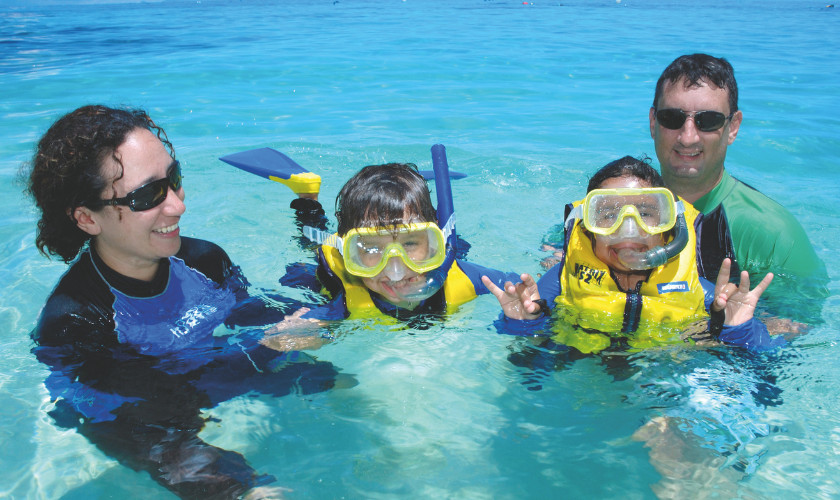
Stinger suits are full-body Lycra suits that cover skin from neck to ankles and wrists, providing a physical barrier against tentacle contact. They don’t prevent stings entirely – if tentacles wrap around exposed skin (face, hands, feet) you can still be stung – but they reduce sting risk by approximately 90% by protecting the trunk, arms, and legs.
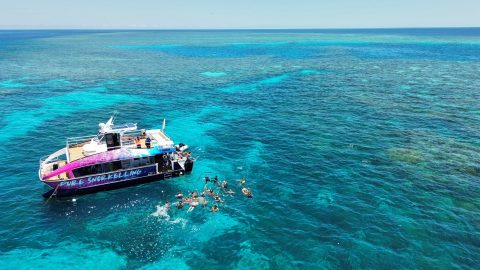
Most Great Barrier Reef tours include stinger suits free of charge during stinger season. Operators provide suits sized for adults and children. You don’t need to bring your own or pay extra – the suits are part of standard tour equipment from November through May.
If you’re swimming at beaches outside stinger enclosures, you can purchase stinger suits from dive shops, surf shops, and sporting goods stores in Cairns. Prices range from $50 to $150, depending on quality and features. Some shops offer rentals at $15-25 per day if you only need protection for a short visit.
A proper stinger suit should fit snugly without being restrictive – loose fabric can allow tentacles to reach skin underneath. The suit should cover wrists and ankles, with long sleeves and full-length legs. Some suits include built-in hood protection for the neck and head. For maximum protection, wear the suit with reef shoes or booties (to protect feet), and if available, a hood or beanie-style cap (to protect head and neck).
Stinger suits work through simple physical barrier protection – the tightly woven Lycra prevents tentacles from reaching skin and prevents nematocysts from firing. They don’t use chemicals, don’t require special treatment, and can be rinsed and reused multiple times. After swimming, rinse the suit in fresh water and hang it to dry.
What doesn’t work
Wearing regular swimwear with sunscreen does not protect against stingers – this is a common misconception. Some people believe thick sunscreen creates a barrier, but this is false. Sunscreen has no effect on jellyfish tentacles or their ability to sting.
Wetsuits provide incidental protection by covering skin, but they’re designed for warmth, not stinger protection, and are unnecessarily hot in Cairns’ tropical climate. A proper stinger suit is lighter, more comfortable, and specifically designed for the purpose.
Standing still in water doesn’t help. Jellyfish drift and move with currents – you don’t need to bump into them actively. Tentacles can trail metres behind the bell, and water movement brings them into contact with swimmers regardless of how carefully you move.
Reef tours during stinger season
Great Barrier Reef tours operate year-round with no interruption during stinger season. Operators provide full-body stinger suits as standard equipment from November through May, included in tour prices at no extra charge. The suits protect against both box jellyfish and irukandji, allowing safe snorkelling and swimming at reef sites throughout the season.
The outer reef locations visited by tour operators have lower stinger concentrations than coastal beaches. Strong currents, deeper water, and natural dispersion across the reef system mean you’re less likely to encounter jellyfish at places like Michaelmas Cay, Moore Reef, and outer reef platforms compared to swimming at Trinity Beach or Palm Cove during the same period.
Safety measures on reef tours
Tour operators take stinger risk seriously and implement several safety measures beyond providing suits:
- Marine biologists and crew trained in first aid and stinger response
- Vinegar (acetic acid) is carried on all vessels for immediate sting treatment
- Radio contact with shore-based medical support
- Swimming areas around platforms and pontoons are monitored regularly
- Emergency evacuation procedures if serious stings occur
Stinger season doesn’t make reef tours more dangerous or less enjoyable – the suits are comfortable to wear, don’t restrict movement, and are simply part of the equipment, like fins and masks. Most visitors don’t even think about stingers once they’re in the water surrounded by coral and fish.
Popular reef tours during stinger season
Half-day and full-day reef tours that operate during stinger season include stinger suits as standard equipment:
| Tour | Departure | Return | Adult | Child | Inclusions |
| Half-Day Snorkelling Reef Adventure | 12:30 pm | 5 pm | $179 | $119 (6-14 yrs) | Stinger suits, equipment, guides, snacks |
| Half-Day Great Barrier Reef Tour | 12 pm | 5 pm | $209 | $159 (6-14 yrs) | Stinger suits, newest vessel, small group |
| Great Barrier Reef Tour • Great Adventures | 10:30 am | 5:20 pm | $312 + $10 levy | $172 + $5 levy (4-14 yrs) | Stinger suits, platform, activities |
| Ocean Spirit Cruises | 8:30 am | 5 pm | $288 + $4 levy | $149 + $2 levy | Stinger suits, sailing catamaran, Michaelmas Cay |
| Reef Magic Cruise & Fly Adventure | 9 am | 3:30 pm | $729 + $32 levy | $569 + $32 levy (3-14 yrs) | Stinger suits, Moore Reef pontoon, marine biologists |
Island tours to Green Island and Fitzroy Island also operate year-round, with stinger suits available for snorkelling. While these islands have beaches, most operators recommend staying in designated swimming areas and wearing suits if entering water outside netted zones.
The key message: don’t avoid reef tours during stinger season. The tours are specifically equipped for safe participation, and missing the Great Barrier Reef because of seasonal jellyfish presence would be unfortunate when proper protection is readily available.


Explore Cairns
Reef Helicopter Tours
See the Great Barrier Reef from breathtaking altitude on a scenic helicopter flight from Cairns. Combine aerial views with snorkelling and reef pontoon visits for the ultimate reef experience.
See helicopter toursRelated reading: What to do in Cairns in one day explores reef tour options for short-stay visitors, including which tours work best during different seasons.
What to do if stung by a stinger
Despite precautions, stings occasionally happen. Knowing how to respond immediately can reduce pain and prevent serious complications.
For suspected box jellyfish stings
If you or someone else is stung by a box jellyfish, follow these steps immediately:
- Get out of the water immediately and call for help. Do not try to continue swimming or “tough it out” – box jellyfish venom is dangerous and requires urgent treatment.
- Pour vinegar over the sting area liberally for at least 30 seconds. Vinegar (acetic acid) deactivates unfired nematocysts still clinging to skin, preventing further venom injection. All patrolled beaches, reef tour vessels, and marine facilities keep vinegar on hand specifically for this purpose. Do not use fresh water, urine, or other folk remedies – only vinegar works.
- Call 000 (Australian emergency services) immediately if the person shows severe symptoms: difficulty breathing, chest pain, severe pain, loss of consciousness, or widespread sting marks covering large body areas. Box jellyfish stings can be fatal if untreated, and ambulance response is critical.
- Do not attempt to remove tentacles with your bare hands – you’ll sting yourself. After applying vinegar, carefully remove tentacles with a towel, stick, or while wearing gloves.
- If the person stops breathing, begin CPR immediately and continue until paramedics arrive.
For suspected Irukandji stings
The initial sting feels like a minor pinprick or mosquito bite – easy to dismiss. However, if you’ve been swimming in tropical waters during stinger season and experience any of these symptoms within 5-40 minutes of a small sting, seek immediate medical attention:
- Severe lower back pain, muscle cramps, chest pain
- Nausea and vomiting
- Sweating, anxiety, feeling of impending doom
- Headache, breathing difficulties
Go straight to the Cairns Hospital Emergency Department or call 000 for an ambulance. Irukandji syndrome can escalate quickly and requires hospital monitoring and pain management. Do not “wait and see” if symptoms develop – early presentation to the hospital produces better outcomes.
Vinegar can be applied, but is less critical for irukandji than for box jellyfish. The main priority is getting to the hospital quickly.
General sting treatment
For minor jellyfish stings (bluebottles and non-dangerous species):
- Rinse the area with vinegar if available, or seawater if vinegar isn’t accessible
- Remove any visible tentacles carefully
- Apply a cold pack or ice wrapped in a cloth to reduce pain
- Seek medical attention if pain persists or increases
What NOT to do
- Do not rinse with fresh water – this can trigger unfired nematocysts
- Do not rub the sting area
- Do not apply ice directly to skin (wrap in cloth first)
- Do not use urine, alcohol, or other home remedies
Where to get help
Cairns Hospital Emergency Department is located at 165 The Esplanade, Cairns City, open 24/7 for serious marine stings and irukandji syndrome treatment. Phone: (07) 4226 0000
For non-emergency advice about stings, call 13 HEALTH (13 43 25 84) to speak with a registered nurse who can assess symptoms and recommend appropriate action.
Most Great Barrier Reef tour operators and beach lifeguards carry marine sting treatment supplies, including vinegar and first aid equipment. If stung while on a tour or at a patrolled beach, immediately notify the crew or lifeguards for assistance.
Stinger season myths and facts
Myth: You can see stingers in the water and avoid them
Fact: Box jellyfish are transparent and difficult to spot, even in clear water. Irukandji are virtually invisible due to their tiny size (1-2cm bell). By the time you see a jellyfish, you may already be within tentacle range. Don’t rely on visual detection – use physical protection instead.
Myth: Stingers only appear during the day
Fact: Jellyfish are present in water 24/7 during stinger season. They don’t disappear at night or early morning. The idea that swimming at dawn or dusk is safer is false – stingers are present regardless of time of day.
Myth: Stingers only sting if you bump into them
Fact: Jellyfish tentacles trail behind and around the bell, extending up to 3 metres for box jellyfish. You can swim into tentacles without ever seeing the jellyfish itself. Water currents also push tentacles in unpredictable directions.
Myth: Locals swim without protection, and they’re fine
Fact: Some locals do swim without stinger suits during the season, but this represents risk tolerance rather than safety. Many Cairns residents have been stung at some point. The locals who swim unprotected during stinger season typically do so at familiar locations where they know stinger density tends to be lower, or they accept the risk consciously. This doesn’t make it safe for visitors unfamiliar with local conditions.
Myth: Stinger suits are uncomfortable and restrict swimming
Fact: Modern stinger suits are made from thin, flexible Lycra that fits like a wetsuit but is much lighter and more comfortable in warm water. They don’t restrict movement significantly, and most swimmers forget they’re wearing them within minutes of entering the water. Tour operators provide suits in various sizes for proper fit.
Myth: You need to avoid Cairns entirely during stinger season
Fact: Stinger season affects beach swimming, not the Cairns experience overall. Reef tours operate normally with provided protection. The Esplanade Lagoon remains stinger-free. Freshwater swimming holes are unaffected. Rainforest walks, Kuranda trips, tablelands tours, and other land-based activities continue as usual. Stinger season requires awareness and adaptation, not cancellation of your holiday.
Fact: Stinger risk is real but manageable
Queensland Ambulance Service responds to several hundred jellyfish stings annually across Far North Queensland during stinger season, with most being minor bluebottle stings. Serious box jellyfish and irukandji incidents occur less frequently but do happen every season. The risk is genuine but dramatically reduced through simple precautions: stinger-free swimming locations, protected enclosures, or wearing stinger suits. Thousands of people enjoy Cairns waters safely throughout stinger season using these measures.
Frequently asked questions
When is stinger season in Cairns?
Stinger season runs from November through May, coinciding with the tropical wet season. Peak risk occurs December through March when water temperatures and jellyfish numbers are highest.
Can you swim in Cairns during stinger season?
Yes. You can swim safely at the Esplanade Lagoon (stinger-free), within stinger net enclosures at beaches like Palm Cove and Trinity Beach, or at freshwater swimming holes in the Atherton Tablelands. If swimming in the open ocean, wear a full-body stinger suit for protection.
Do reef tours operate during stinger season?
Yes, all Great Barrier Reef tours operate year-round. Operators provide stinger suits free of charge during stinger season as part of standard tour equipment. The suits protect snorkellers and swimmers at reef sites.
What is a stinger suit?
A stinger suit is a full-body Lycra suit covering arms, legs, and torso that provides physical barrier protection against jellyfish tentacles. The suits reduce sting risk by approximately 90% by preventing tentacles from contacting skin.
Are irukandji and box jellyfish the same thing?
No. Box jellyfish are larger (up to 30cm bell, 3-metre tentacles) and cause immediate intense pain with visible tentacle marks. Irukandji are tiny (1-2cm bell) and cause delayed systemic symptoms called Irukandji syndrome that develop 5-40 minutes after sting. Both are dangerous and require medical attention.
Where are stingers most commonly found?
Box jellyfish prefer shallow coastal beaches, bays, and estuaries during stinger season. Irukandji are found in both coastal and offshore waters. The highest risk areas are beaches near river mouths and creek outlets. The Esplanade Lagoon and freshwater swimming holes are completely stinger-free.
Stay safe and enjoy Cairns year-round
Stinger season is part of life in tropical Cairns, but it doesn’t need to limit your experience of the region’s incredible water activities. With the right knowledge and simple precautions – stinger-free swimming locations, netted beach enclosures, or proper stinger suits – you can safely enjoy snorkelling, swimming, and reef adventures throughout the year.
Cairns Discovery Tours has been helping visitors navigate tropical conditions for over 30 years. The team knows which tours operate with full stinger protection, which swimming locations stay safe year-round, and how to plan your Cairns holiday around seasonal conditions without missing the experiences that make this region special.
Ready to explore the Great Barrier Reef during stinger season with full protection provided? Browse Great Barrier Reef tours, Green Island trips, and Fitzroy Island experiences, or call (07) 4028 3567 to discuss the best options for your travel dates. Prefer email? Send a message, and the team will help you plan safe, memorable water adventures regardless of the season.