Skip to main content Skip to footer
Cairns doesn’t do subtle. When it’s hot, it’s properly hot. When it rains, it rains with conviction. And when the dry season arrives, the skies clear to that particular shade of deep tropical blue that makes every outdoor photo look like a postcard. Understanding how the two seasons work – and what each one actually means for your trip – makes planning a whole lot easier.
The short version
- Dry season (May to October): reliable weather, excellent reef visibility, and safe beach swimming. Peak crowds and higher prices in June to August – book ahead.
- Wet season (November to April): afternoon storms, high humidity, and a quieter, cheaper, greener version of Cairns. The Daintree and Atherton Tablelands waterfalls are at their best.
- Neither season cancels your trip: reef tours run year-round, and the Daintree is worth visiting in any month. The difference is comfort and conditions, not access.
- Shoulder months are worth considering: May and October sit between the seasons – decent weather, fewer crowds, and better value than peak dry season.
- Stinger season runs from November to May: beach swimming requires a stinger suit during this period. Reef tours are unaffected – operators provide suits and follow strict safety protocols.
The Dry Season (May to October)
This is Cairns at its most comfortable – and its most popular. Warm, sunny days sit in the low-to-mid 20s°C through the cooler months of June, July and August, climbing back toward the high 20s as October approaches. Humidity drops to a much more manageable level, the trade winds arrive from the south-east, and the skies stay reliably clear.
It’s the season most visitors choose, and the reasons are obvious. You can plan outdoor activities with confidence, reef visibility is excellent, and afternoon showers are a rarity rather than a daily event. Peak season runs from June to August, which means more crowds and higher accommodation prices – but also the full range of tours operating at maximum frequency.
What you can expect month by month
- May – Rainfall drops sharply, temperatures settle, and waterfalls are still flowing beautifully from the wet season.
- June-July – The coolest months. Daytime temps around 25-26°C, evenings can feel genuinely fresh. Peak tourist season.
- August – Similar to July, trade winds are at their strongest. Excellent reef conditions.
- September-October – Warming up again, humidity starts to creep back in. Still very enjoyable with fewer crowds than peak.
Stinger season is largely over during the dry season, which means ocean swimming at beach stinger nets is safer. Always check local conditions and swim at patrolled beaches, but the window from June to October is when locals themselves head back to the beach.
Related Reading: Swimming at Cairns Beaches
The Wet Season (November to April)
The wet season gets a bad reputation it doesn’t entirely deserve. Yes, it rains sometimes dramatically, but Cairns rarely experiences the kind of sustained grey drizzle that makes some wet seasons miserable. Instead, you tend to get intense tropical downpours, often in the afternoon, that clear as quickly as they arrive. Mornings can be glorious, and the landscape transforms into something genuinely spectacular.
Temperatures climb into the low-to-mid 30°C, and the humidity builds considerably, particularly from December through February. This is cyclone season too, with activity peaking between January and March, so it’s worth keeping an eye on the Bureau of Meteorology forecast if you’re visiting at this time.
What the wet season offers in return is the Daintree Rainforest at its most lush and alive, waterfalls running at their full, thundering best, and far fewer tourists. Accommodation prices drop noticeably, tours run with smaller groups, and you’ll have a very different and in many ways, more vivid experience of Tropical North Queensland.
What you can expect month by month:
- November – The “build-up” begins. Humidity rises, thunderstorms increase. Coral spawning on the reef is spectacular this month.
- December-February – Wettest months. January and February see the highest rainfall, often 400mm+ in a month. Cyclone risk is at its highest.
- March – Rain begins to ease, though humidity stays high. Waterfalls are extraordinary.
- April – The transition month. Rain decreases significantly, and conditions start to improve week by week.
Stinger season runs from November to May, which means beach swimming requires more care. Stick to patrolled beaches with stinger nets and always wear a lycra stinger suit. Importantly, stingers are far less of a concern on reef tours; operators provide full stinger suits and follow strict safety protocols. For a detailed breakdown, see the guide to stinger season in Cairns.
A Season-by-Season Comparison
Choosing between the wet and dry season isn’t just about weather – it touches on crowds, pricing, what activities are at their best, and the overall feel of a trip. Both seasons have a distinct character. The dry season offers comfortable, predictable conditions with peak tourism infrastructure. The wet season brings dramatic landscapes, fewer visitors, and lower prices. The table below gives you a clear starting point, though the “right” choice ultimately depends on what you’re after.
| Dry Season (May–Oct) | Wet Season (Nov–Apr) | |
| Temperatures | 21–29°C | 28–34°C |
| Rainfall | Very low (26–92mm/month) | High (up to 480mm in Feb) |
| Humidity | Lower, comfortable | High, tropical |
| Crowds | Peak season Jun–Aug | Much quieter |
| Prices | Higher, especially Jun–Aug | Noticeably lower |
| Reef conditions | Excellent visibility | Good; stinger suits required |
| Rainforest | Beautiful | Spectacular — at its lush best |
| Waterfalls | Some reduced flow | Full and dramatic |
| Stinger season | Very low risk | November to May — take precautions |
| Cyclone risk | None | January–March peak risk |
| Beach swimming | Safest window | Use stinger nets and suits |
What’s Best to Do in Each Season
Dry Season Activities
The dry season is the easier season to plan around. Most outdoor activities are at their best, and you can book reef tours, hiking, and island trips without weather uncertainty.
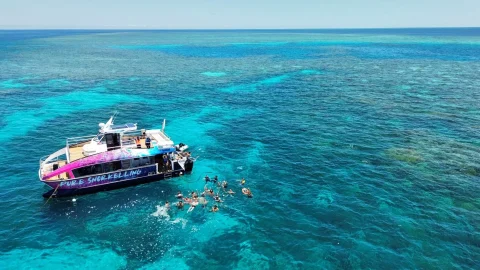
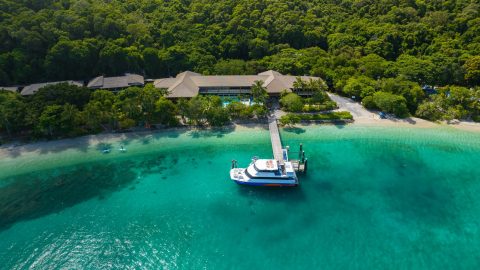
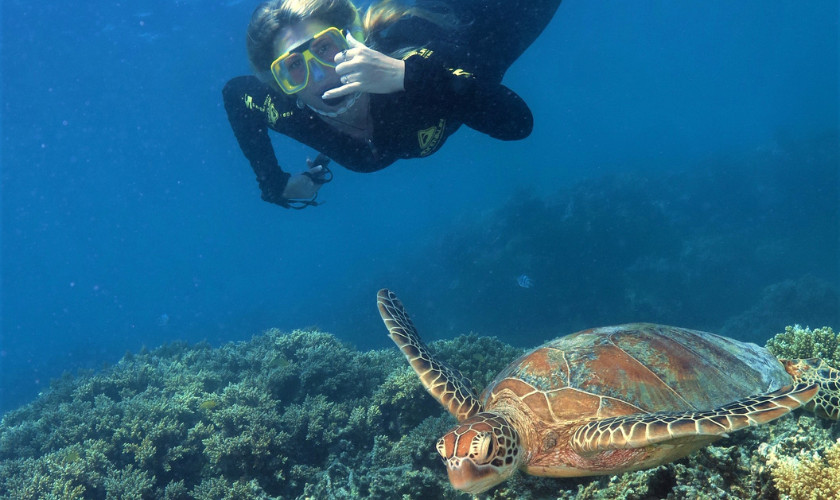
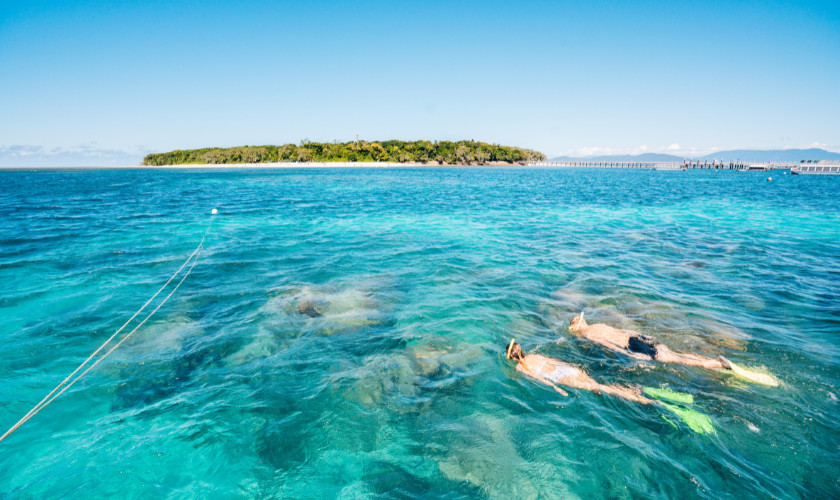
- Great Barrier Reef tours – Calm conditions, excellent underwater visibility, comfortable on the water. Green Island, Fitzroy Island, and Frankland Islands are all at their best. Browse Great Barrier Reef tours to see the full range of options.
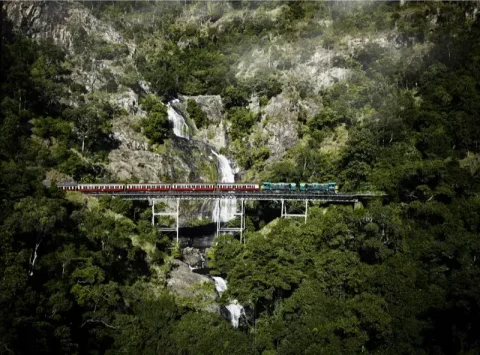
- Kuranda – Perfect sightseeing weather for the Scenic Railway and Skyrail. Note that Skyrail has a major upgrade project running July-October 2026, so check current operating schedules when booking. View Kuranda day tours for current availability.
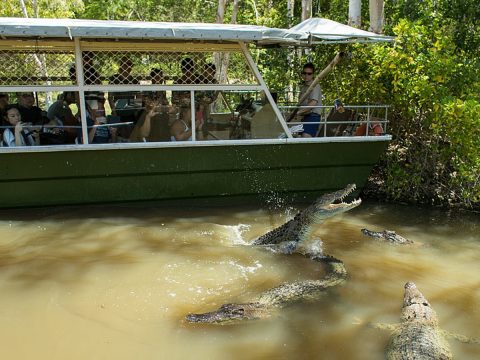
- Daintree and Cape Tribulation – Still gorgeous, if slightly drier. Guided walks are comfortable, and river cruises are productive for wildlife spotting. Check Daintree Rainforest tours for the full range of options.
- Hot air ballooning – The clear mornings of the dry season make this a particularly stunning experience over the Atherton Tablelands.
- Whale watching – Dwarf minke whales visit the outer reef between June and July, and humpbacks pass through from July to September.

Explore Cairns
Reef Helicopter Tours
See the Great Barrier Reef from breathtaking altitude on a scenic helicopter flight from Cairns. Combine aerial views with snorkelling and reef pontoon visits for the ultimate reef experience.
See helicopter toursWet Season Activities
The wet season rewards visitors who embrace it rather than work around it.
- Daintree Rainforest – This is when the ancient rainforest is at its most overwhelming. Every shade of green is turned up to full, the Daintree River runs high, and wildlife sightings increase significantly. A Daintree Cape Tribulation tour in January or February is a very different – and unforgettable – experience.
- Atherton Tablelands waterfalls – Millaa Millaa Falls, Zillie Falls, and Ellinjaa Falls are at their thundering peak between December and March. The Waterfalls and Rainforest Tour is genuinely spectacular at this time of year.
- Reef tours – Still running throughout the wet season. Operators provide stinger suits and follow all safety guidelines. Browse Great Barrier Reef tours for year-round options.
- Cooktown – The 4WD Bloomfield Track is weather-dependent; the 1 Day Cooktown tour runs Monday, Wednesday and Friday in operating months. Check availability for wet season travel, as road conditions can affect departures.
- City experiences – The Cairns Esplanade Lagoon, night markets, and city tours are unaffected by rain and great wet season fill-ins.
Related reading: When Is the Best Time to Travel to Cairns

Explore Cairns
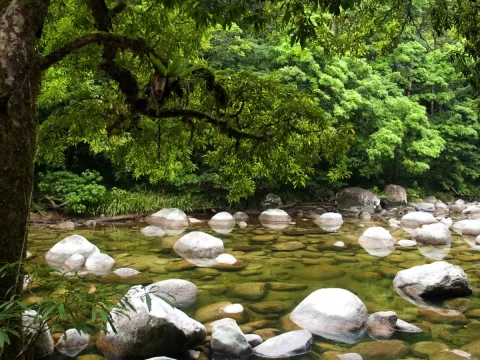
Daintree Rainforest
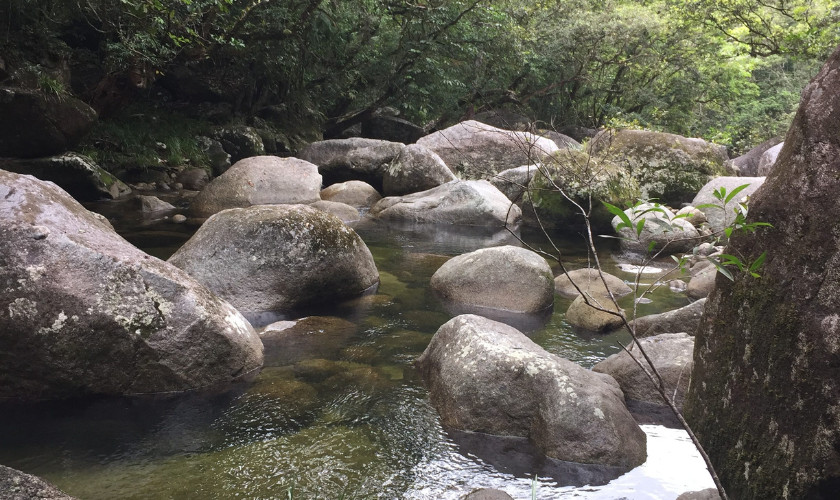
Journey into the world’s oldest tropical rainforest on a guided Daintree tour. Visit Mossman Gorge, cruise the Daintree River and see where the rainforest meets the sea at Cape Tribulation.
See Daintree toursWhich season is right for you?
There’s no objectively wrong answer here – it really does depend on your priorities.
Choose the dry season if you want the most comfortable weather, the safest beach swimming, peak reef visibility, and the widest range of activities running at full capacity. It costs more and you’ll share the experience with more people, but for first-time visitors wanting everything to go smoothly, June to August is hard to beat.
Choose the wet season if you’re on a tighter budget, want a quieter, more immersive experience of the rainforest and natural landscape, or are happy to plan around afternoon showers. The wet season rewards flexible, curious travellers with scenes – roaring waterfalls, lush jungle, dramatic skies – that simply don’t exist at the same intensity any other time of year.
The shoulder months – May and October – offer a genuine middle ground. You get improving or still-good weather, fewer crowds than peak, and prices that haven’t fully climbed. Many experienced Cairns travellers consider these the sweet spot.
Frequently asked questions
Is Cairns too hot in the wet season?
It’s hot and humid, but rarely unbearable. Temperatures sit in the low-to-mid 30s°C, with humidity making it feel more intense. Early mornings are the best time for outdoor activity. Air-conditioning is standard across all accommodation and tour vehicles.
Can you still do reef tours in the wet season?
Yes, absolutely. Reef tours operate year-round. Stinger suits are provided by all operators during stinger season, and safety protocols are well established. Underwater visibility is generally still excellent, and the reef itself doesn’t shut down.
Is it safe to swim at Cairns beaches during the wet season?
With precautions, yes. Swim at patrolled beaches with stinger nets, always wear a stinger suit from November to May, and never enter the water at an unpatrolled beach. The Cairns Esplanade Lagoon is a safe, lifeguard-patrolled alternative year-round.
What is the build-up?
“The build-up” is what locals call the period from around October to December when humidity climbs sharply before the wet season proper arrives. Temperatures rise, thunderstorms become more frequent, and the atmosphere feels heavy. It’s the least comfortable part of the year for many visitors – but once the rains arrive, things feel fresher.
When is the cheapest time to visit Cairns?
The wet season – particularly January and February – offers the lowest accommodation and tour prices. November, December and March are also relatively affordable compared to the June-August peak.
Plan your Cairns adventure
Whether you’re drawn to the clear skies of the dry season or the lush drama of the wet season, Cairns has something genuinely extraordinary to offer whenever you arrive. Cairns Discovery Tours has spent decades helping visitors make the most of every season – the team knows which tours shine at which times of year and can help you put together an itinerary that fits your travel window perfectly.
Browse the full range of Great Barrier Reef tours, Daintree Rainforest tours, and Kuranda day tours, or call (07) 4028 3567 – the team would love to help you plan a trip worth coming back for. You can also send an email, and the team will get back to you with recommendations tailored to your travel dates.